Luxury was once relatively easy to display.
A house had gates. A car had a recognisable badge. A watch sat visibly on the wrist. Increasingly, the most valuable privileges do not look like objects at all. They look like access.
The things money cannot simply order online
The internet made products radically more available. A person with sufficient money can browse exceptional watches, cars, furniture and fashion from almost anywhere in the world. Even highly scarce objects eventually appear at auction.
Access works differently.
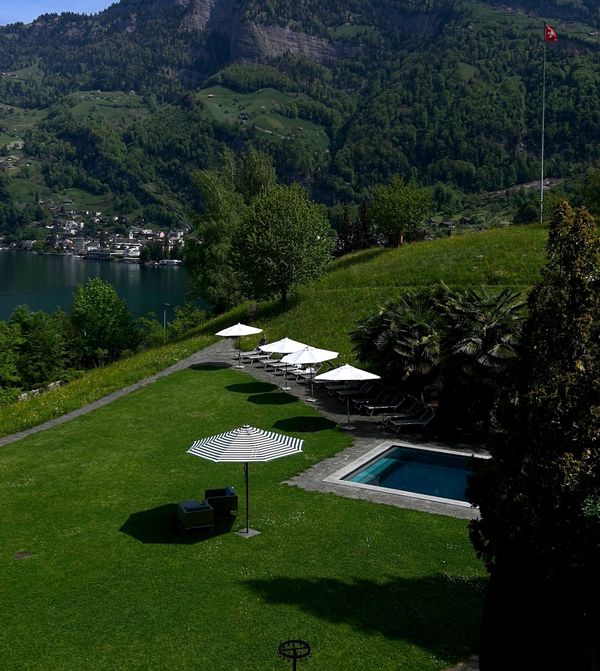
A private dinner cannot be added to a basket. A closed archive may require permission. The best table on a fully booked evening can depend on a relationship. A private terminal works precisely because most passengers never enter it. The value comes from the boundary itself and from the feeling that the experience was not designed for everybody.
From ownership to participation
This is why luxury brands are investing so heavily in experiences, hospitality and private communities. Customers who already own the products often need another reason to remain close to the brand, and access can create a stronger relationship than another purchase.
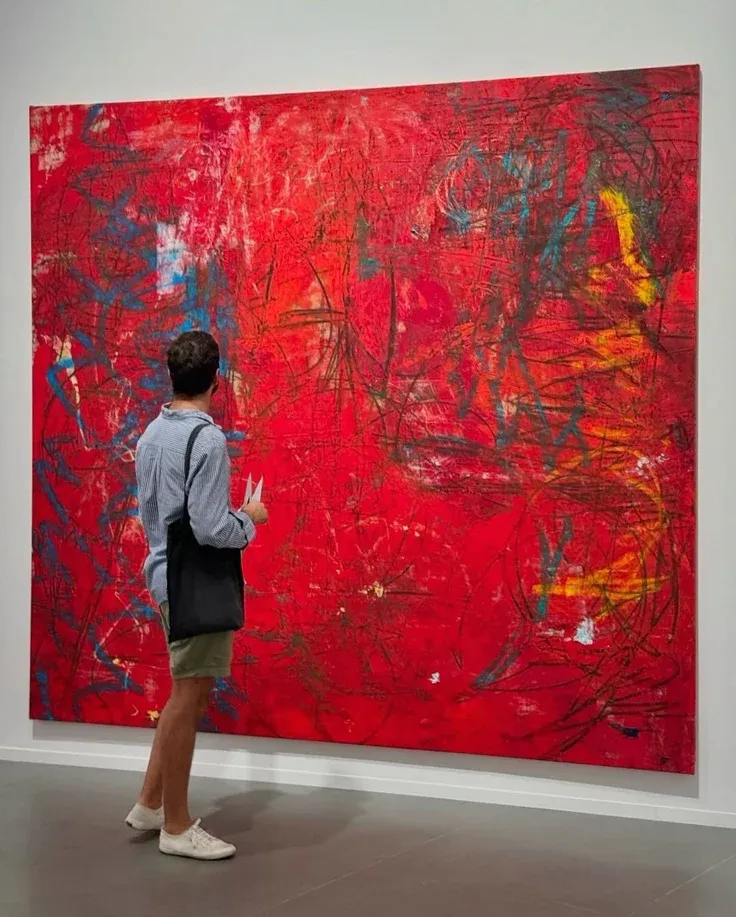
A watch company can sell a watch, but it can also invite clients inside the manufacture. A fashion house can sell clothing, but access to an archive presentation creates a memory that cannot be resold. Increasingly, the relationship moves from possession toward participation.
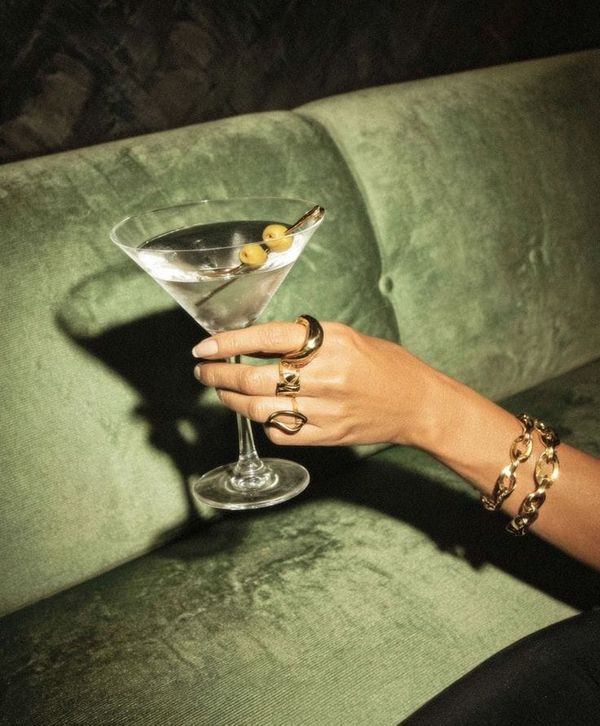
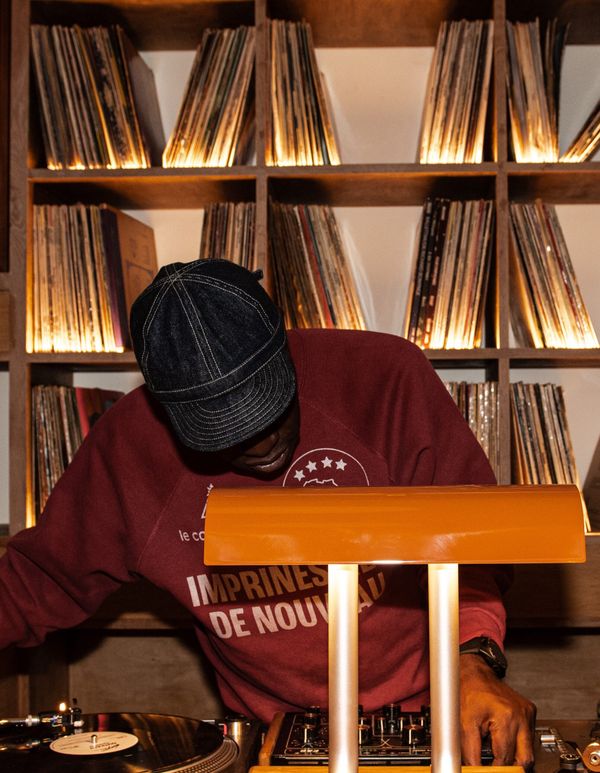
That same idea sits behind a new generation of private communities such as House N/G. Rather than defining luxury primarily through what members own, the concept is built around the situations they are able to enter: intimate brand collaborations, private house events and small gatherings where the value lies in who is in the room, the setting and the fact that the experience cannot simply be booked from a public menu.
A twenty-person evening inside a watch boutique, for example, may ultimately feel more valuable than a much larger event precisely because its scale allows people to actually speak, discover the brand and form connections. In this kind of luxury, access is not an add-on to the experience. It is the experience.
Access needs scarcity
The danger is obvious. Once everybody is VIP, nobody is.
Luxury access only retains value when the experience is genuinely limited by space, time, privacy or relevance. A room that physically works best with twenty people creates a more convincing form of scarcity than an artificial waiting list designed purely as marketing.
This distinction matters for private communities as well. Exclusivity becomes empty when it exists only to exclude. The stronger model is curatorial: bringing together people, places and brands in combinations that would lose their character at a larger scale.
The best experiences therefore do not feel exclusive because somebody placed a velvet rope around them. They feel exclusive because scale would destroy what makes them good.
The ultimate scarce resource is attention
This may also explain the appeal of highly personalised service.
A concierge who knows the guest, a dealer who calls when the right car appears or a gallery that offers an important work privately is providing something more valuable than convenience. They are filtering the world.
Private communities can perform the same role. Rather than offering members more choice, they can offer less, but better: one relevant invitation, one carefully chosen collaboration or one evening that feels worth leaving home for.
In an environment of unlimited choice, trusted access saves time and removes noise.
The new luxury is therefore not necessarily owning more. It is being able to enter the right room, meet the right person or experience something before it becomes available to everybody else.
Sometimes the most expensive thing in the room is simply the door.