
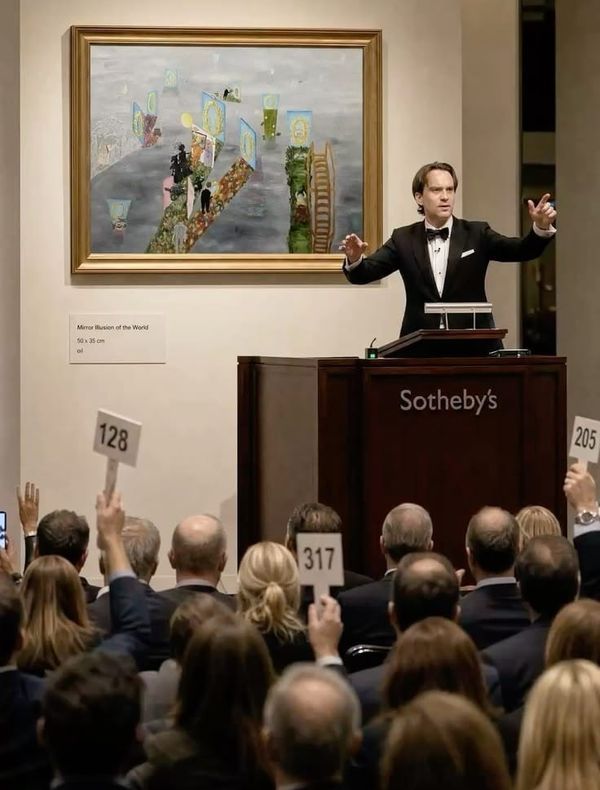
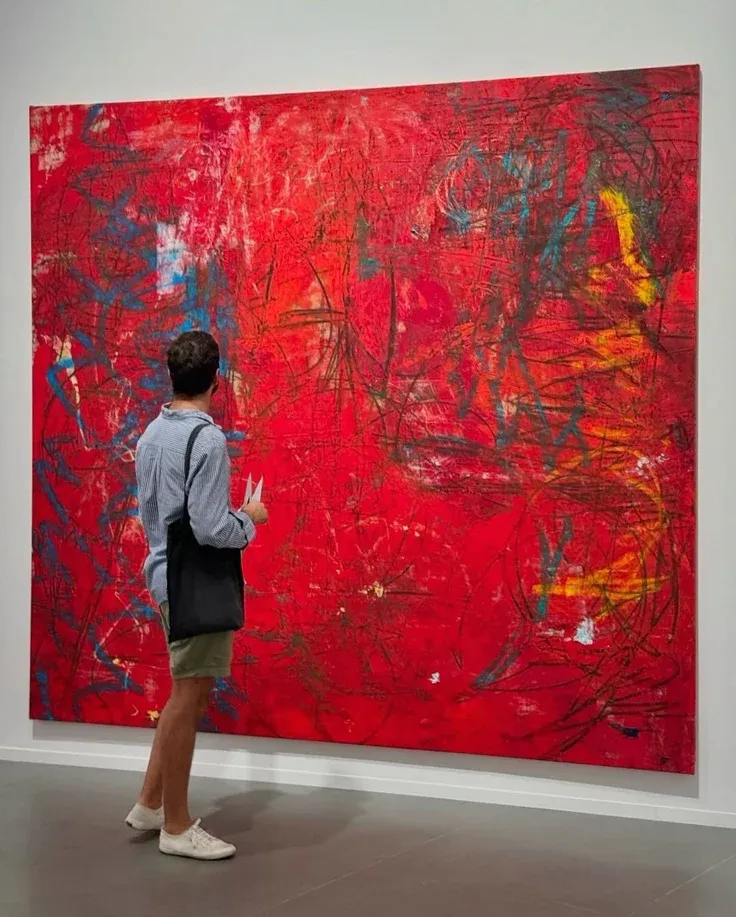
A painting changes hands for more than $100 million and the first question is almost automatic: how can any object be worth that much?
The question sounds financial, but the answer usually has surprisingly little to do with the cost of making the object.
Canvas is cheap. Paint is cheap. Even years of labour cannot explain nine figures.
The price exists somewhere else.
There is only one
Scarcity is the simplest part of the equation.
A company can produce another watch, another car or another handbag. An artist cannot go back and create another painting from a particular period, especially once that artist is dead.
The supply is fixed.
But scarcity alone does not create value. There are millions of unique artworks nobody wants. What matters is the intersection between scarcity and desire.
A work needs to be regarded as important, desirable and sufficiently rare at the same time.
The artist is only the beginning
Name recognition matters enormously, but sophisticated buyers rarely purchase a signature alone.
Which period is the work from? Is it representative of the artist's most important ideas? Has it been exhibited in major institutions? Is it reproduced in catalogues? Who owned it previously? When was the last comparable work available?
These details form the provenance and context around the object.
Two paintings by the same artist can therefore inhabit completely different markets.
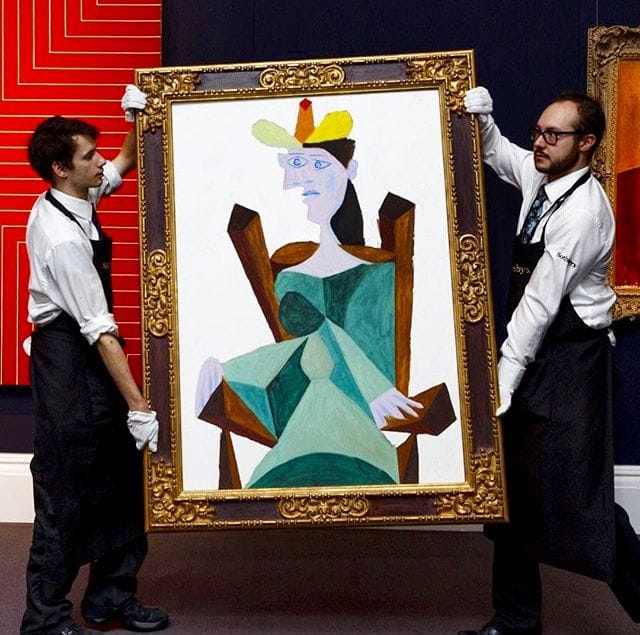
An exceptional work from a defining period may appear only once in a generation. When several collectors want it simultaneously, the auction estimate quickly becomes almost irrelevant.
Markets need stories
The art world sometimes speaks about quality as though it exists independently of everything around it. In reality, markets are built partly through narratives.
Museums validate artists through exhibitions. Scholars place works inside art history. Galleries develop careers. Collectors lend pieces to institutions. Auction records create benchmarks.
None of those factors can make a weak painting great, but they shape consensus around which objects matter.
At the highest level, buyers are therefore acquiring both a physical object and a place within an established cultural story.
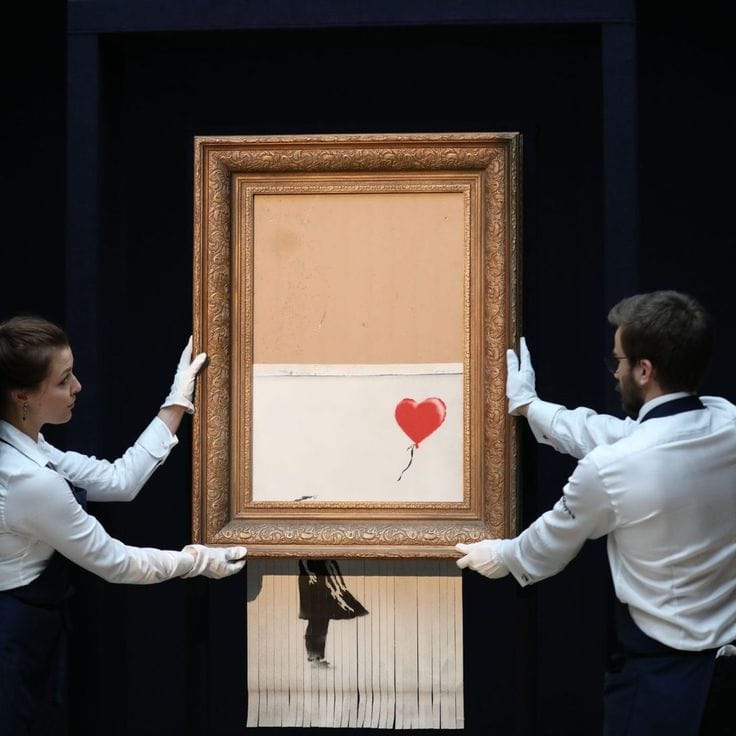
Price also buys status, but not only status
It would be naïve to pretend social position plays no role.
Owning an exceptional Picasso, Basquiat or Rothko provides access to conversations, institutions and networks. Museums may request loans. Other collectors know the work. The ownership itself becomes culturally legible.
Yet reducing the market entirely to status misses something.
Serious collectors often spend decades learning, comparing and waiting. At that level, the ability to acquire something genuinely exceptional may occur only once.
The price becomes a consequence of too much capital chasing an object that cannot be reproduced.
A $100 million painting is not worth that amount because of its materials. It is worth it because enough people agree that there is no acceptable substitute.
Luxury markets understand scarcity well.
Art simply takes the idea to its extreme.