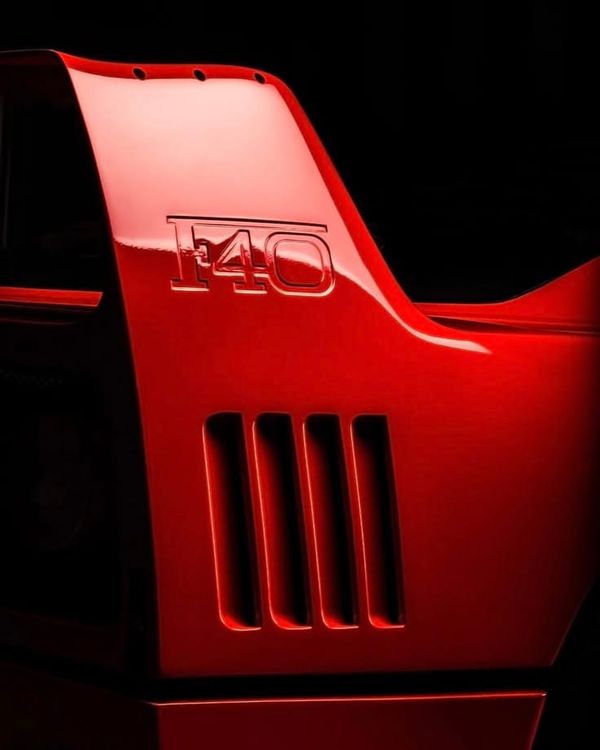
The Ferrari F40 was not designed to be elegant in the conventional sense. It was designed to be fast. Its enormous rear wing, NACA ducts, exposed carbon and almost aggressively functional cabin came from an era when performance still had a visibly mechanical quality. There were no screens to integrate, no ambient lighting schemes to consider and very little interest in making the car feel comfortable.
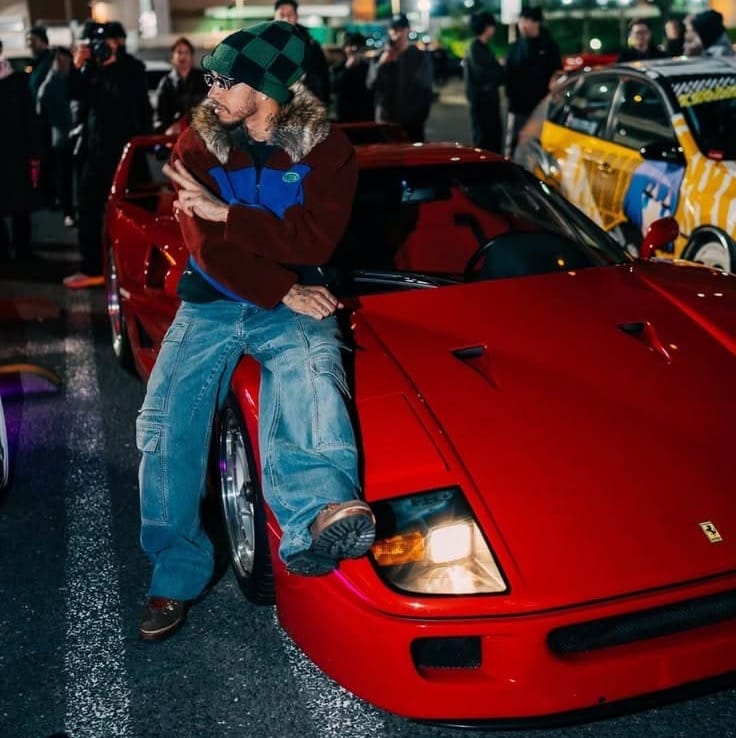
That makes its current cultural position slightly strange. Almost four decades after its introduction, the F40 has become far more than an important Ferrari. It appears in fashion campaigns, photography books, design stores, clothing collections and the carefully curated garages of people who may be as interested in its silhouette as in the way it drives.
A shape created by necessity
Ferrari introduced the F40 in 1987 to celebrate the company's 40th anniversary. Developed under Enzo Ferrari and closely related to the experimental GTO Evoluzione, it used a twin-turbocharged V8 producing 478 hp and extensive composite materials at a time when those technologies still felt exotic in a road car. Ferrari quoted a top speed of 324 km/h, making the F40 the first production road car to cross the symbolic 200 mph barrier.
Its appearance followed the same logic. Pininfarina's body was shaped heavily by aerodynamics, with a low nose, compact overhangs, cooling openings and the rear wing that would eventually become one of the most recognisable forms in automotive design. Nothing about it feels decorative, yet almost every detail has become visually iconic.
That may be exactly why the car has aged so well. The F40 was not styled to express luxury. It was shaped around purpose, and purpose tends to survive fashion better than ornament.
When machinery becomes an image
There are cars that become symbols because they were expensive, and others because they were technically important. The F40 became something broader. Even people with little interest in engines recognise it. Its red body, horizontal rear wing and compact cabin can be reduced to a few lines and still remain unmistakable.
That visual simplicity has made the F40 unusually compatible with fashion. A modern luxury campaign often depends on recognisable objects that communicate taste without requiring explanation. The F40 does exactly that. It represents Ferrari, obviously, but also an older idea of performance: raw, physical and slightly dangerous.
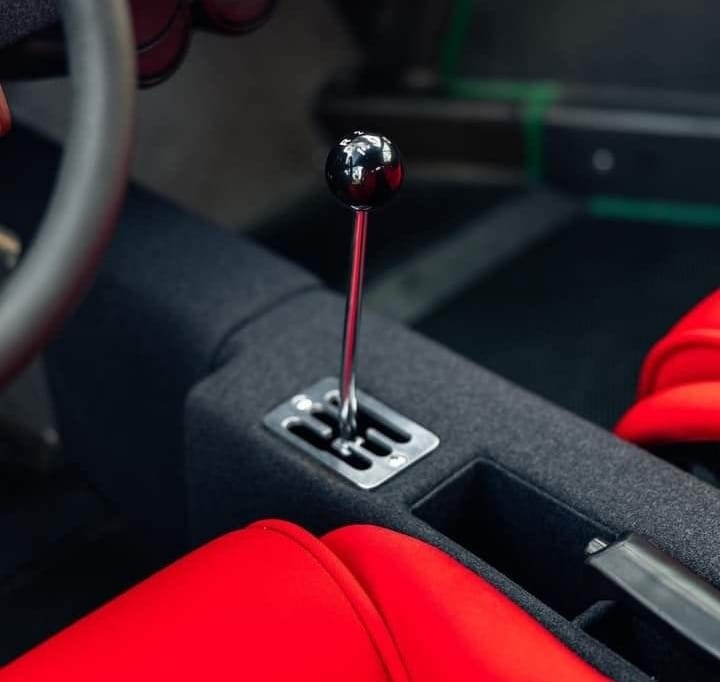
The irony is that many of the qualities now considered aesthetically desirable were originally signs of austerity. The cabin is sparse because weight mattered. The exposed weave of composite materials was functional rather than decorative. Even the famously thin paint on some cars was part of the obsession with saving mass.
Today, those details read differently. They look authentic.
The luxury of something uncompromised
Modern supercars are astonishingly capable, but they are also expected to perform several roles at once. They need to be fast, technologically advanced, usable in traffic, increasingly comfortable and visually sophisticated enough to sit outside a five-star hotel.
The F40 came from a less complicated brief. Ferrari itself describes it as deliberately stripped of electronic systems that might intervene on behalf of the driver. It was conceived as something extreme, not something accommodating.
That purity now feels luxurious because it is difficult to reproduce. Regulations, customer expectations and the economics of modern car development make such singular machines increasingly unusual. The F40 offers something that cannot be added through an options list: a clear sense that almost every decision was made around one purpose.
Perhaps that is also why it photographs so well beside fashion, furniture and architecture. It has the confidence of an object that was never designed to fit in.
The F40 was meant to be a very fast Ferrari. Its transformation into a fashion object happened later, without its permission. That may be the most fashionable thing about it.
You don’t want to miss more stories like this? Subscribe to our newsletter and stay up to date with the latest from Privé.