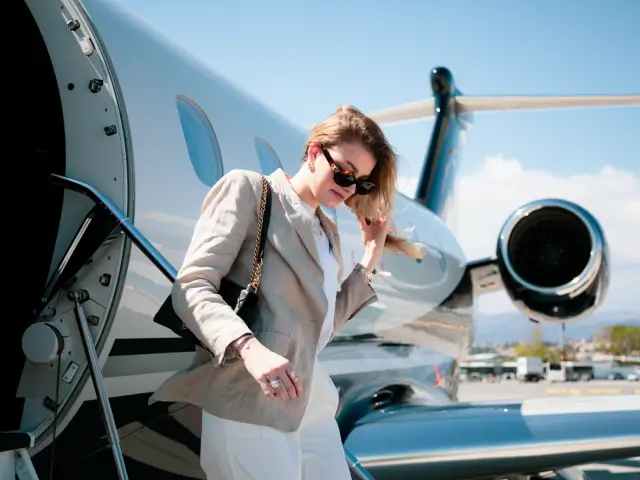

Private aviation has always been partly about time. Avoid the airline schedule, leave when you want and land closer to where you need to be.
Increasingly, the airport itself is becoming part of that proposition.
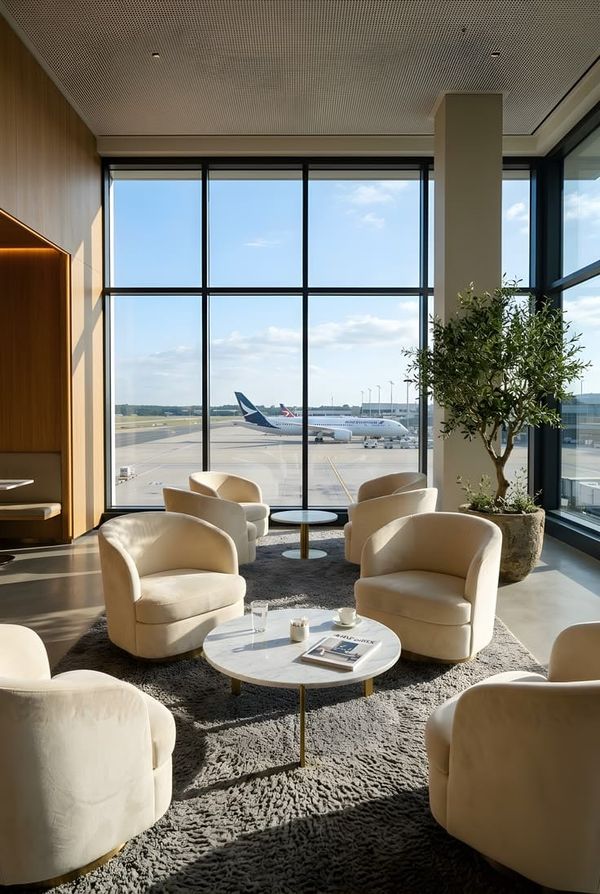
Private terminals, dedicated suites and increasingly elaborate FBOs are turning what was once merely a faster route through an airport into a separate hospitality category.
Removing the airport from flying
Commercial airports are designed around moving enormous numbers of people safely through a standard sequence: entrance, check-in, security, retail, gate.
Private terminals reverse that logic.
The passenger count is tiny, so the architecture can become residential. Cars may pull directly to a discreet entrance. Formalities happen privately. Luggage disappears without queues. In some locations, passengers can move from lounge to aircraft in minutes.
The luxury is not simply a nicer chair while waiting for a flight. It is the absence of most of the airport experience.
That distinction has become increasingly valuable as mainstream airports have grown larger and more complex.
Privacy becomes the product
For celebrities and public figures, private terminals provide obvious discretion. But the wider appeal goes beyond avoiding photographers.
They allow families to travel without navigating crowded concourses, give business travellers environments where meetings can continue and create an unusual sense of control over a part of travel normally defined by rules and waiting.
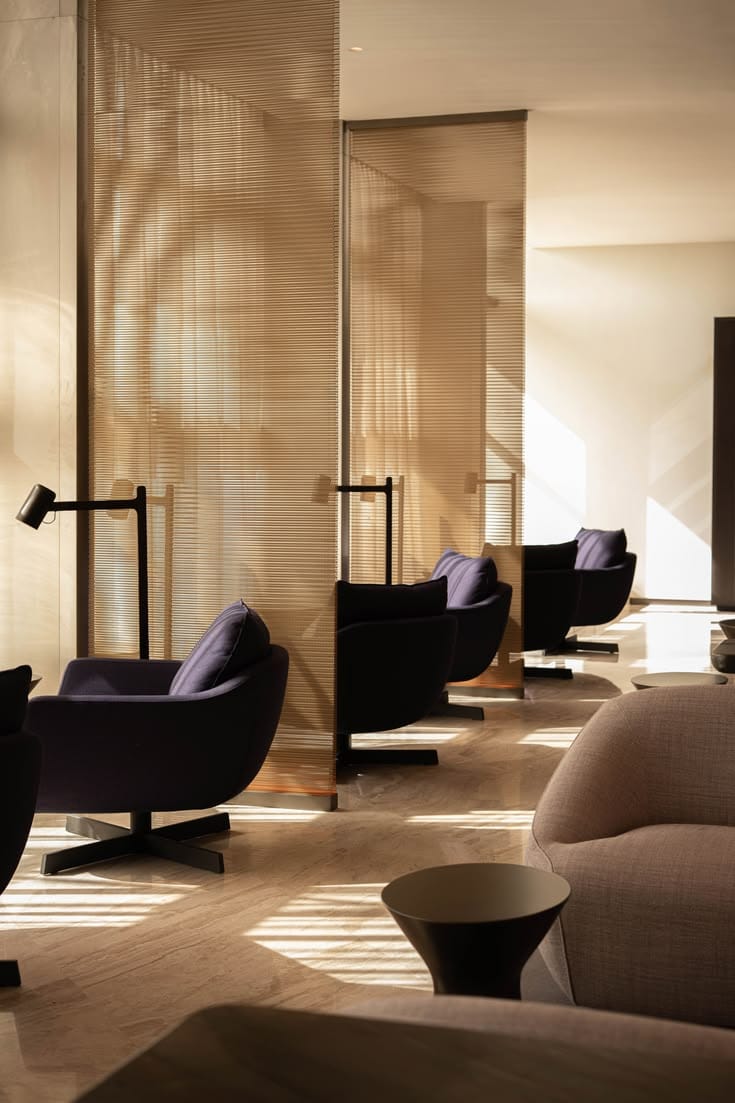
Some services extend the idea even to passengers flying commercially, separating them from the main terminal and transporting them directly to their aircraft after security and immigration formalities are handled privately.
That changes the meaning of premium air travel. The distinction is no longer only what happens once you are seated on the aircraft.
The hotelification of aviation
The most interesting terminals increasingly borrow from hospitality rather than transportation architecture.
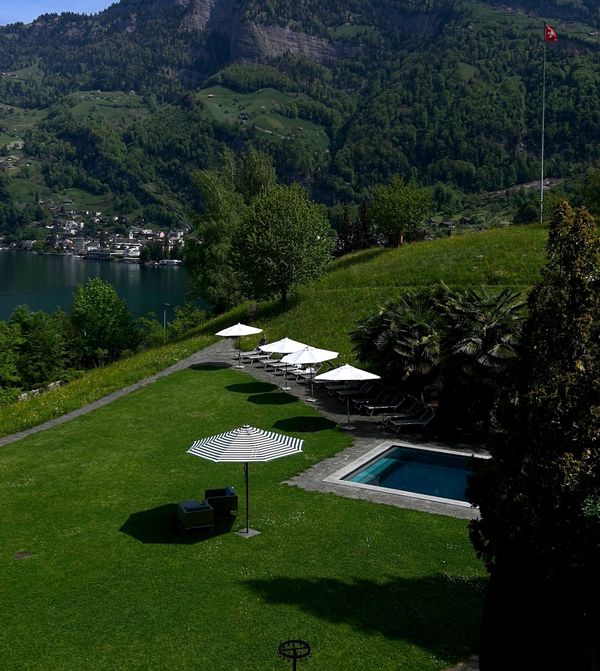
There are private dining rooms, showers, bedrooms, landscaped courtyards, art and personalised food. Staff behave more like hotel hosts than gate agents. The result can feel closer to a private members' club with an aircraft attached.
This is part of a wider convergence across luxury travel. Hotels are launching yachts. Fashion houses are opening restaurants. Private aviation companies are thinking about interiors, food and service with the same attention once reserved for five-star hospitality.
The boundaries between the categories are disappearing.
Access is the real luxury
What makes the private terminal particularly relevant is that almost none of its benefits can be understood through ownership.
There is no object to display. The value exists in entering through a different door, avoiding a queue and moving through a system that most passengers experience completely differently.
That is an increasingly important form of luxury.
The private terminal does not make the aircraft faster. It makes everything surrounding the aircraft disappear.
And in modern travel, removing friction may be worth more than adding another amenity.