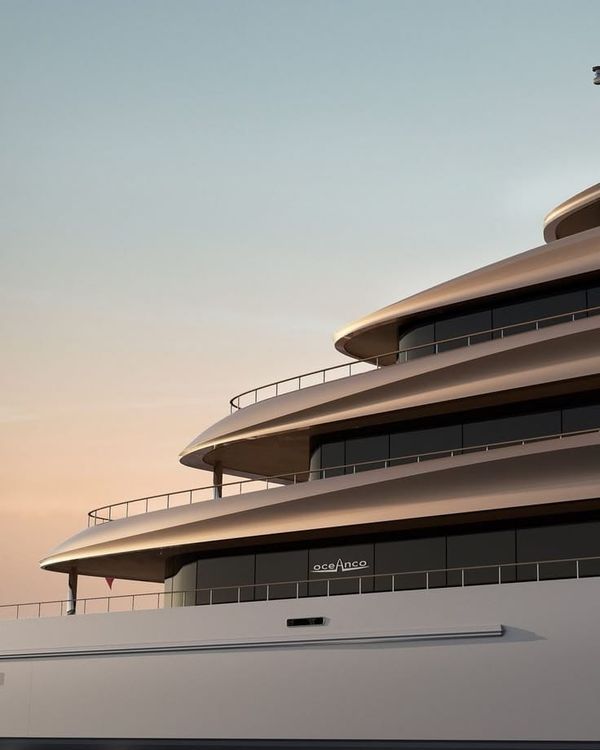

There was a period when the basic language of the superyacht was relatively easy to understand. More decks, more polished surfaces, bigger windows, larger beach clubs and increasingly improbable amenities all communicated one thing: scale.
That language is changing.
The newest generation of yachts is not necessarily smaller or less expensive. Many are technically more ambitious than anything that came before them. What is changing is the way that ambition is expressed.
From statement to sanctuary
The most interesting yacht interiors today often look less like floating palaces and more like highly resolved private homes.
Glossy finishes are giving way to timber, stone, textured fabrics and surfaces that feel good rather than photograph dramatically. Furniture is looser. Art matters more. Lighting is softer. Rooms are designed around how owners actually spend time rather than around the moment a guest walks in for the first time.
It is the marine version of a shift happening across luxury more broadly. Visibility is becoming less important than personal relevance.
A yacht can still contain a cinema, spa, gym, swimming pool and enormous tender garage. Increasingly, however, those things are integrated into the architecture rather than presented as trophies.
The sea returns to the centre
Perhaps the most important change is the relationship with the water.
Older yacht layouts often placed guests high above the sea in formal interiors. Contemporary designs increasingly pull life toward the waterline through large opening terraces, fold-down platforms, beach clubs and pools that visually merge with the ocean.
That does not make the yachts less extravagant. In engineering terms, creating enormous openings close to the water can be considerably more complicated than building another enclosed saloon.
The difference is that the complexity is hidden.
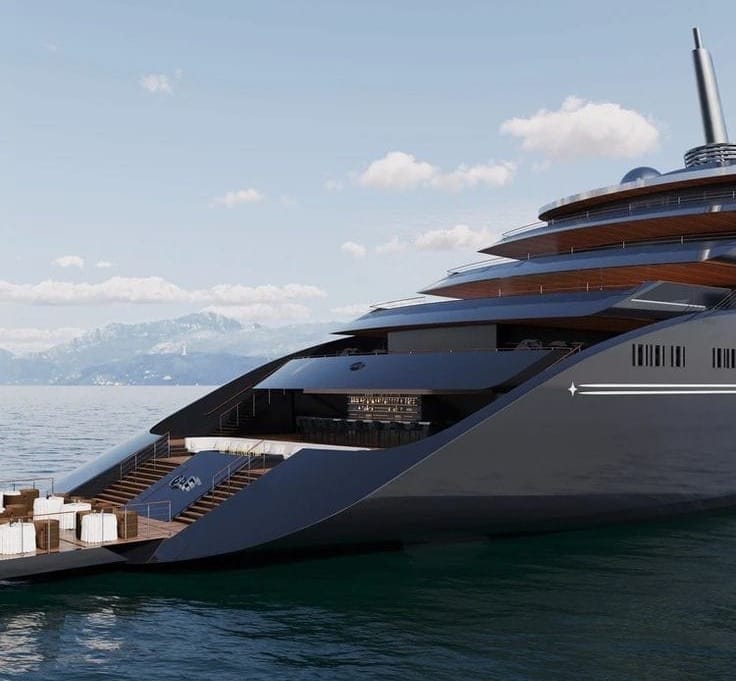
This is what understated luxury often means in practice: spending more money so that something appears simpler.
Privacy over performance
Owners are also asking different questions. Can the family spend weeks aboard comfortably? Can children move around without every space feeling formal? Can guests arrive without disrupting private areas? Can crew service the yacht almost invisibly? Can a terrace feel secluded even when another yacht is anchored nearby?
These considerations rarely produce the most spectacular specification sheet, but they determine how a yacht feels after the first few days aboard.
The most sophisticated form of custom yacht design therefore has less to do with choosing marble and more to do with understanding patterns of life.
Less flashy does not mean less luxurious
Quiet luxury is sometimes interpreted as simply removing logos and choosing beige. On a yacht, the idea is much more interesting.
Restraint may involve concealing enormous technical systems, engineering uninterrupted views through structural glass or designing crew circulation so carefully that service appears effortless. It can mean commissioning furniture specifically for one room or selecting timber that will age beautifully over decades.
None of those choices is modest in cost.
The visual result, however, can feel remarkably calm.
Perhaps that is why superyachts are becoming less flashy. Once almost anything becomes technically possible, the greatest expression of confidence is no longer showing everything the yacht can do.
It is knowing what not to show.