A museum vitrine changes the way we look at a dress.
Placed inside a boutique, it is fashion. Placed behind glass with a date, provenance and designer name, it begins to behave like art.
That distinction is becoming increasingly difficult to maintain.
From wardrobe to archive
For decades, vintage fashion was primarily collected to be worn. Exceptional pieces existed, but the wider market still treated clothing differently from painting, sculpture or furniture.
Today, important garments are increasingly documented through provenance, exhibition history and cultural significance. Museums build fashion archives. Auction houses stage couture sales with the language of art collecting. Private collectors hunt for specific runway looks rather than simply desirable labels.
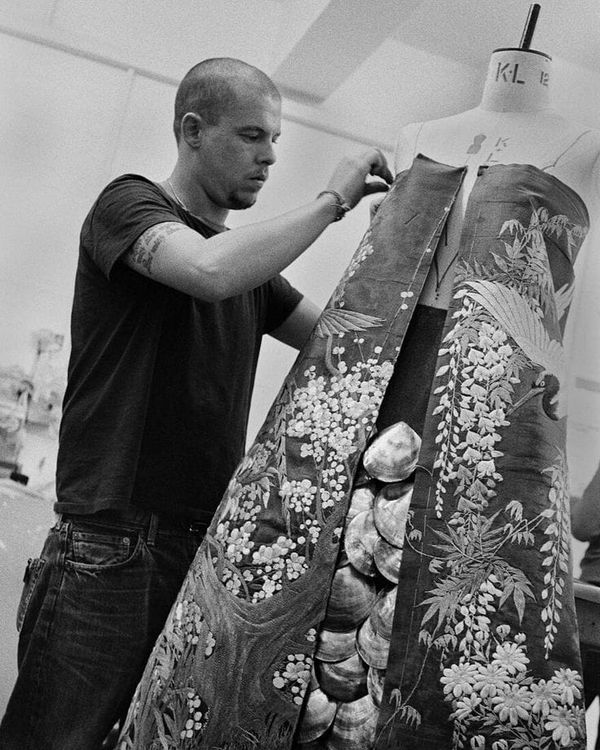
In September 2026, a New York auction of rare couture pieces was presented explicitly around the idea that important fashion remains undervalued compared with fine art, with works by Alexander McQueen, Yves Saint Laurent, John Galliano, Schiaparelli and others treated as collectable cultural objects.
The shift is significant because it changes what the buyer is paying for.
A rare dress is no longer valuable only because it is beautiful or wearable. Its history matters.
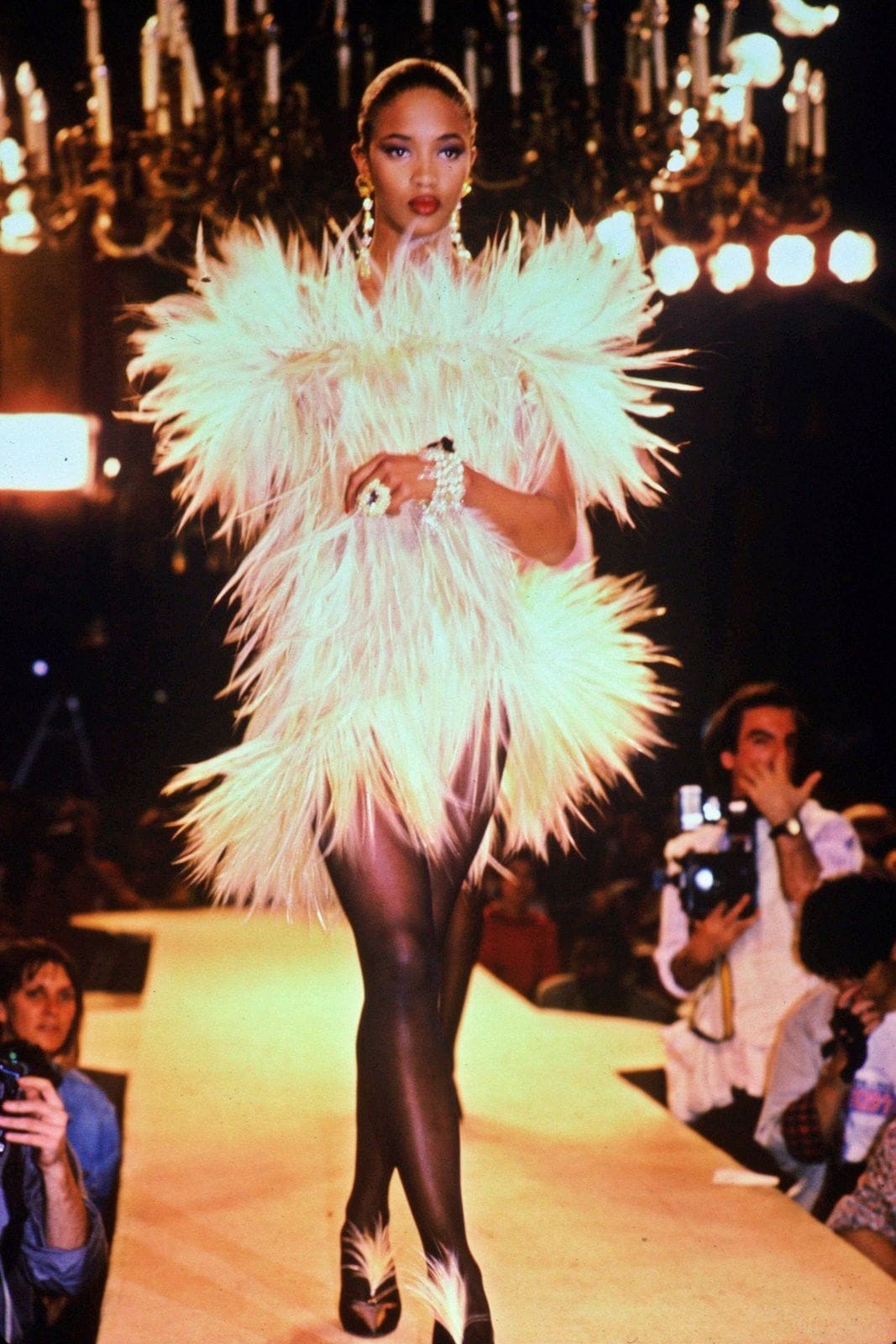
The importance of provenance
Fine art markets have always cared about where an object came from. Fashion increasingly does too.
Was the piece shown on the runway? Was it worn by someone important? Is it one of only a handful produced? Does it represent a turning point in the designer's career? Has it appeared in a museum exhibition or major photograph?
Those questions create a biography around the garment.
This is especially powerful in fashion because clothing carries physical evidence of a moment. A painting represents its period; a garment was literally worn inside it.
That intimacy gives archival fashion a particular emotional charge.
Craft is easier to see with time
There is another reason older fashion is being reconsidered.
Distance allows us to see construction more clearly.
Once a piece is removed from the cycle of seasonal trends, its materials, techniques and ideas become easier to judge. Hand embroidery, experimental cutting and unusual fabrication no longer compete with whatever is being promoted next month.
The garment becomes an object.
Collectors are beginning to approach the strongest pieces in the same way they might approach furniture or decorative arts: as examples of exceptional design tied to a specific maker and historical context.
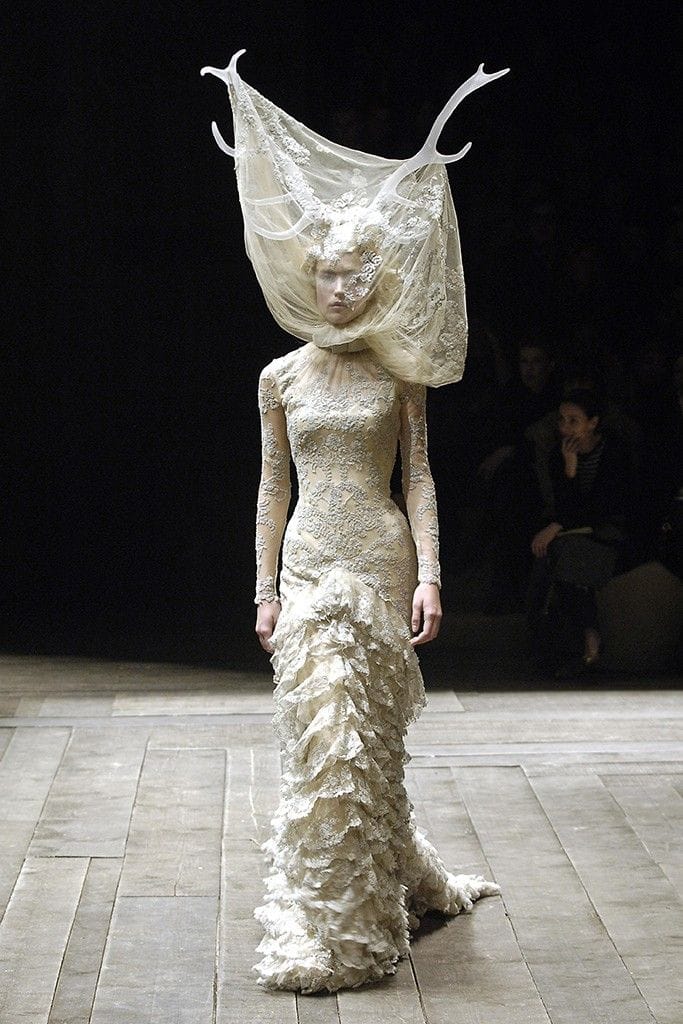
Not every old dress is art
That distinction matters.
Age alone does not transform fashion into fine art, just as an old chair does not automatically become important design. Scarcity, condition, authorship, cultural influence and provenance still determine significance.
But the hierarchy is changing.
Fashion once occupied an awkward position between commerce and culture because clothing was seen as temporary by definition. The most important vintage pieces demonstrate precisely the opposite.
Some clothes outlive the season so completely that eventually we stop asking whether anyone should wear them.
We start asking where they belong.