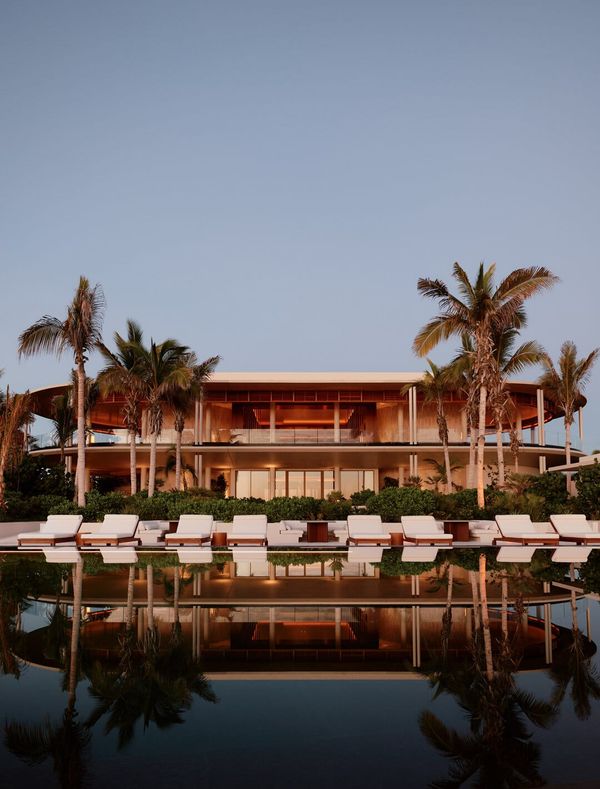
There are landscapes where adding a luxury resort can feel like an interruption. Baja California Sur is one of them. Desert meets mountain, estuary and sea with very little need for architectural improvement.
Amanvari enters that landscape carefully.
Opened on 1 August 2026 on Baja's East Cape, the resort is Aman's first property in Mexico. Its name combines the Sanskrit-derived words for peace and water, an appropriate description for a place positioned between an arid landscape and the Sea of Cortez.
A different side of Los Cabos
For years, Los Cabos has represented one of Mexico's most developed luxury resort markets. The East Cape feels different. Moving away from the more established resort corridor, the landscape becomes wider, quieter and noticeably less manicured.
That distinction is central to Amanvari. The attraction is not a resort placed beside a beach so much as access to an unusually varied natural environment. The Sierra de la Laguna mountains rise inland while the Sea of Cortez opens in the opposite direction. Nearby waters contain coral reefs and an extraordinary concentration of marine life.
Aman has built much of its reputation by identifying places where the landscape can do most of the emotional work. Amanvari follows that formula closely.
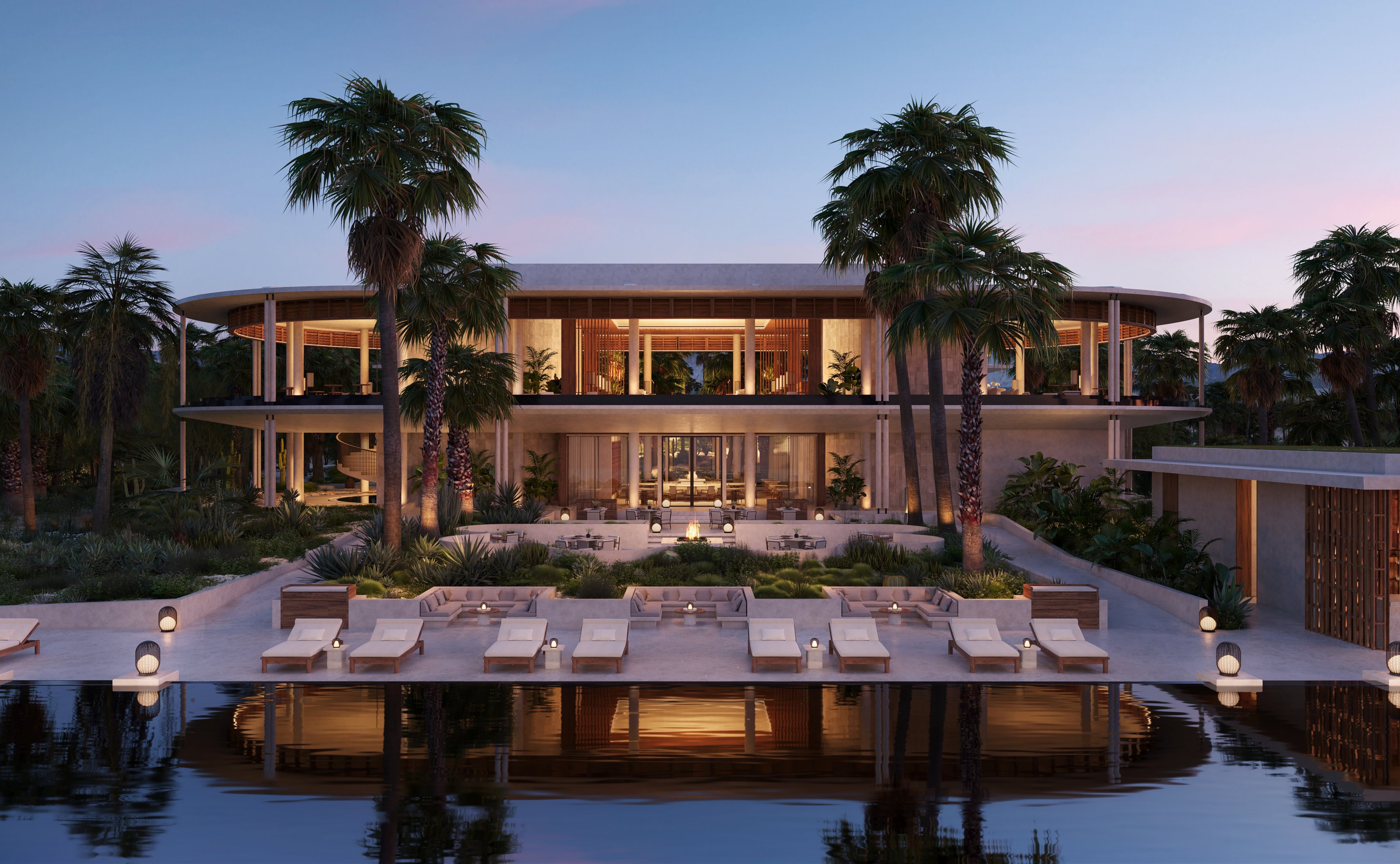
Its beachfront and elevated casitas are integrated among palms and native vegetation, using restrained materials and low forms rather than architecture designed to dominate the horizon. The effect is not about spectacle on arrival. It is about gradually understanding where you are.
Privacy without isolation
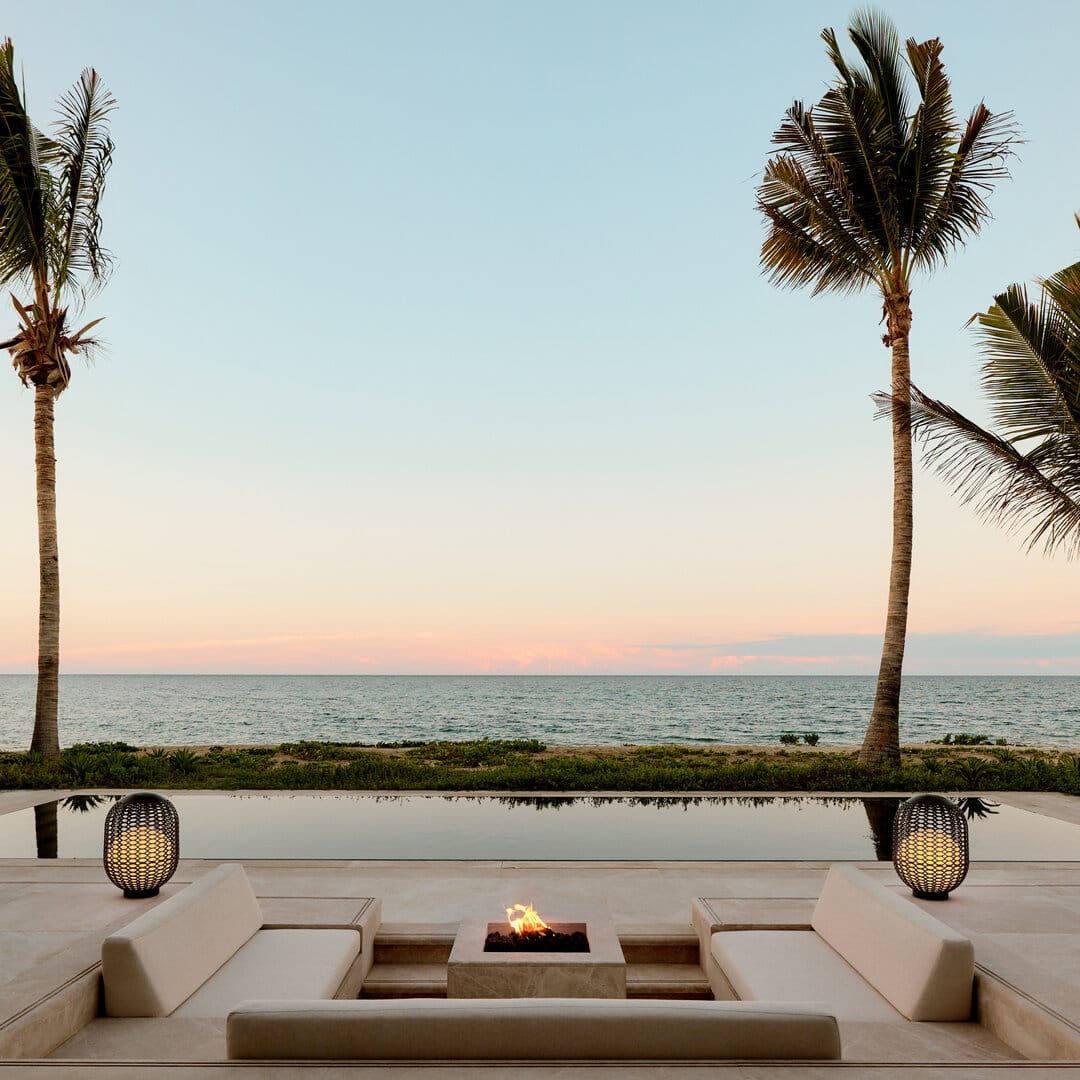
Aman's architecture has long been associated with privacy, but the strongest properties rarely feel completely detached from their surroundings. The privacy exists to focus attention outward.
At Amanvari, large openings frame the desert, estuary and water. Outdoor areas become extensions of the accommodation, while the wider experience is built around the landscape beyond the resort: diving, fishing, hiking and exploring Baja's coast and mountains.
A current three-night experience, for example, combines private dining and meditation with a Sea of Cortez expedition that can include diving in Cabo Pulmo or sport fishing on the East Cape.
That combination says something about the direction of contemporary resort luxury. The room still matters, of course, but increasingly it functions as a highly comfortable base from which something else becomes possible.
The architecture of not doing too much
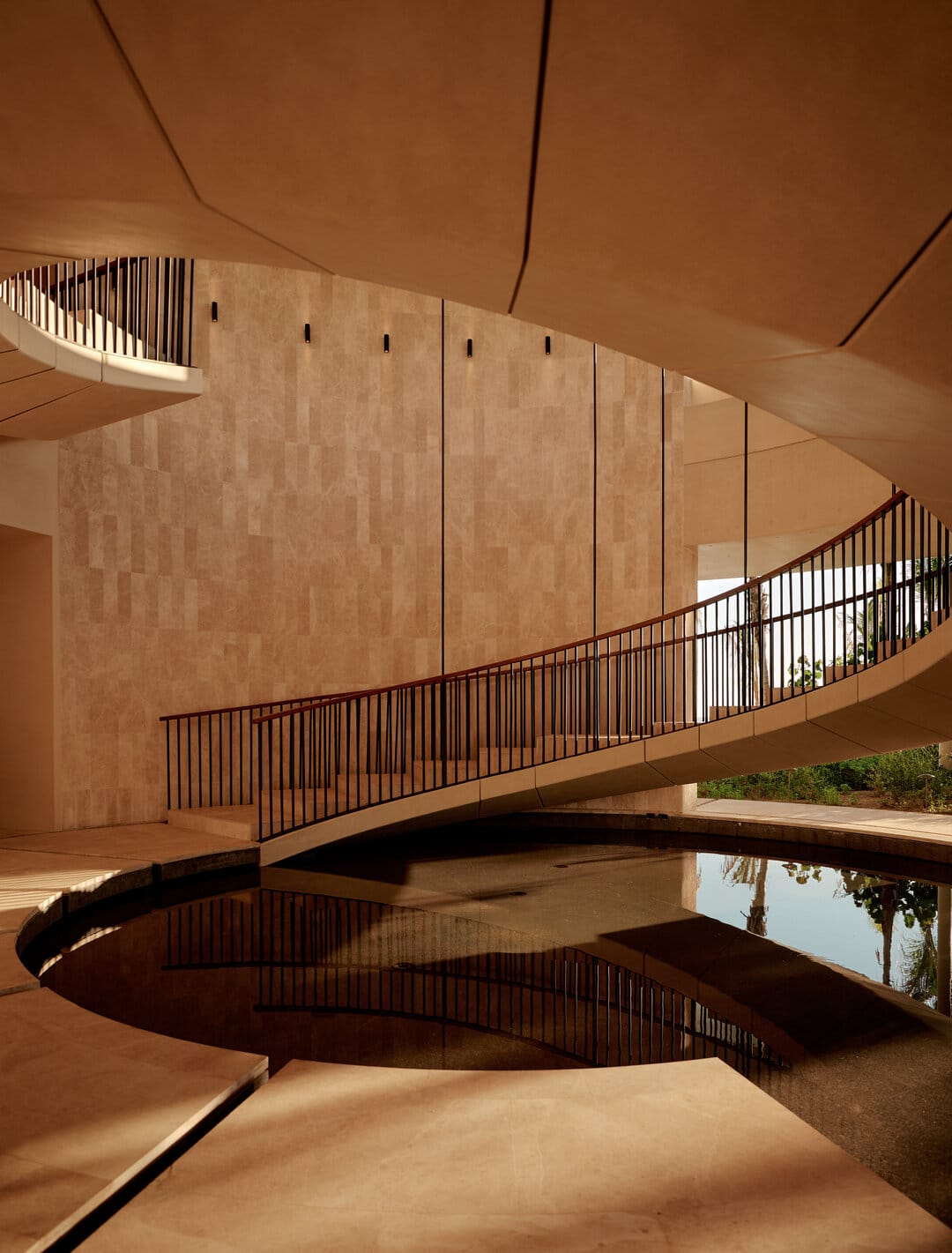
Amanvari also arrives at a moment when high-end hospitality has become increasingly visual. New resorts are expected to generate images instantly recognisable on a phone screen. Dramatic pools, monumental entrances and sculptural architecture have become marketing assets.
Aman's best properties tend to resist that temptation.
Their identity emerges through proportion, material and atmosphere rather than obvious visual tricks. It is a slower form of design and one that depends on confidence. The architecture does not need to compete with the landscape because access to the landscape is already the luxury.
This is particularly effective in Baja. A desert does not need much decoration, and the Sea of Cortez certainly does not require a more dramatic backdrop.
Amanvari's appeal is ultimately very simple: an extraordinary piece of geography, enough privacy to experience it properly and architecture that knows when to get out of the way.