Why Everyone Wants an Aman
– 3 min read



There are luxury hotel brands with more properties, larger suites and more visible branding. Yet few names carry the strange cultural weight of Aman.
For certain travellers, saying that a hotel is beautiful is not enough. They compare it to Aman. Architects study the proportions. Other hotel groups borrow the vocabulary of privacy, silence and restrained materials. Guests plan entire journeys around the next property.
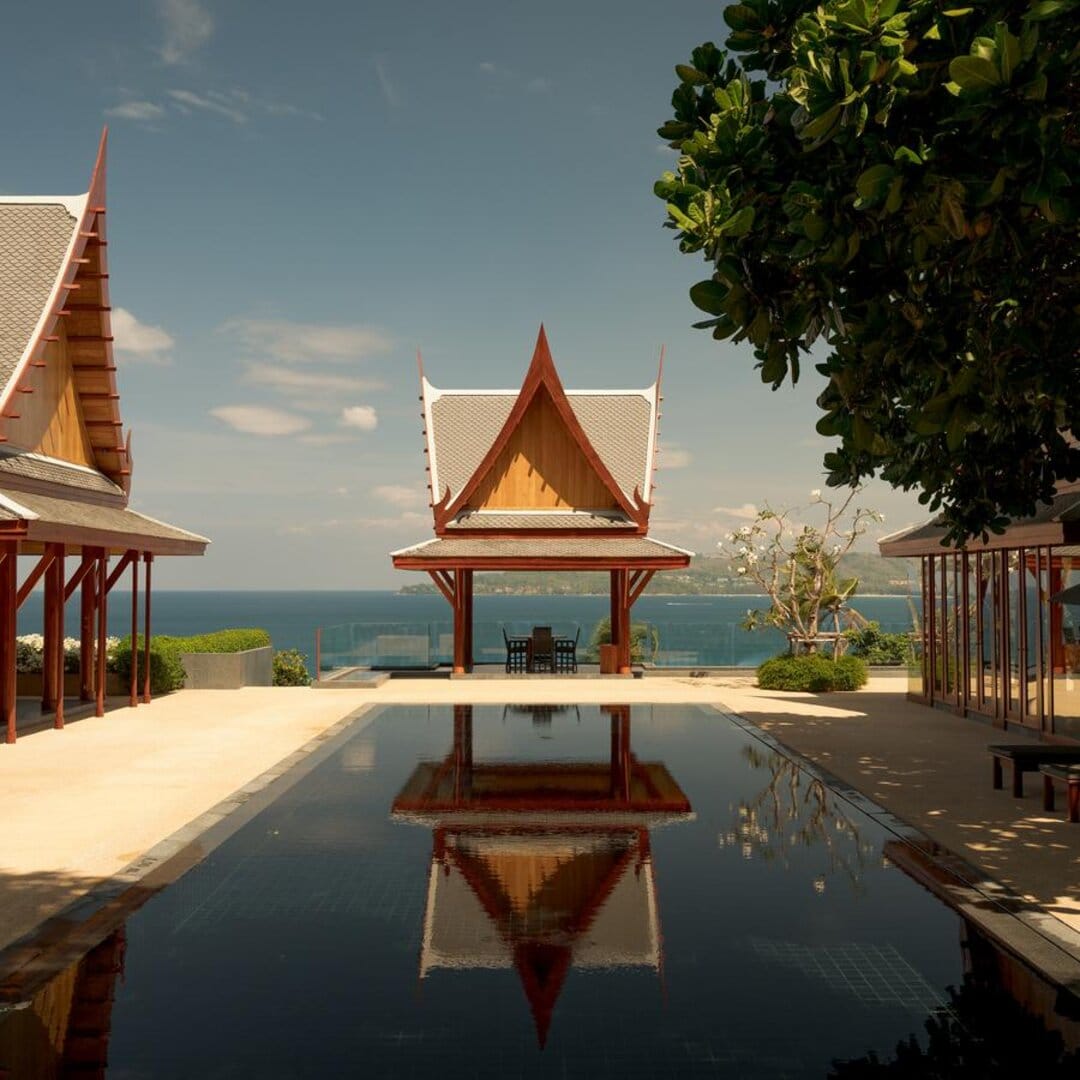
What began in 1988 with Amanpuri in Phuket has become something closer to a private language of travel.
The absence of obvious hospitality
Many hotels work hard to remind you that you are staying in a hotel. There are formal reception desks, busy lobbies, branded objects and constant small interactions with staff.
Aman traditionally reduces those signals.
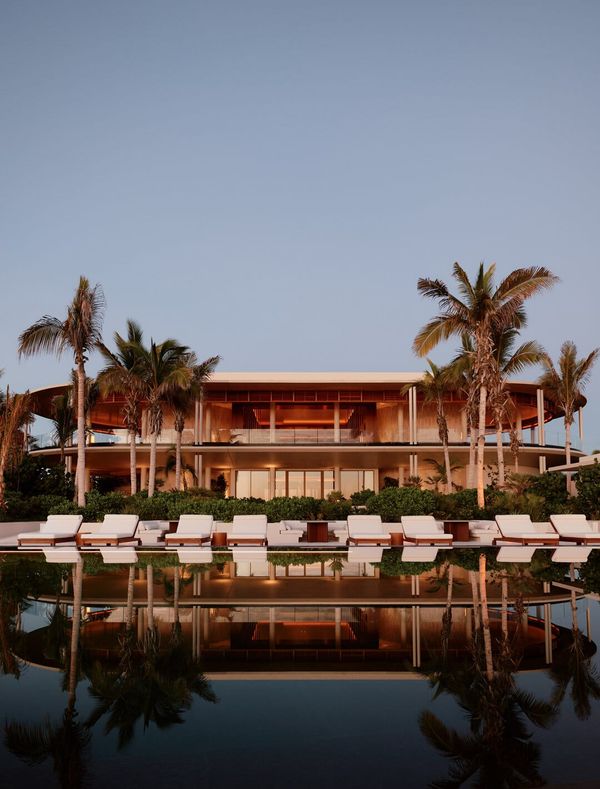
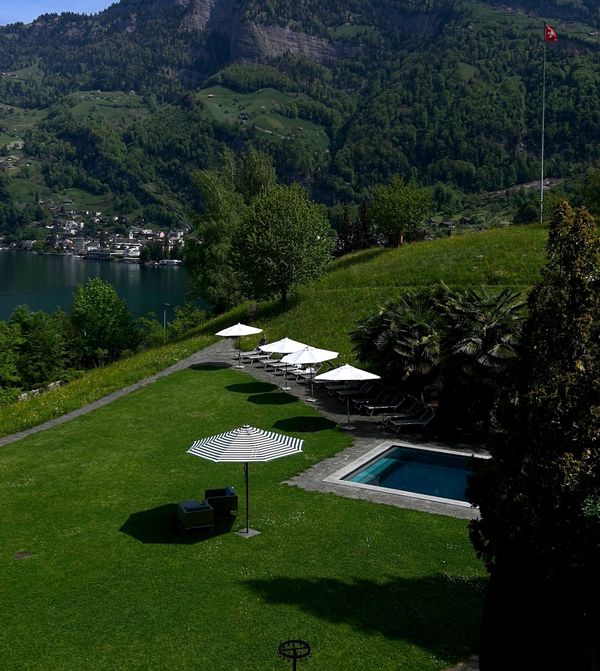
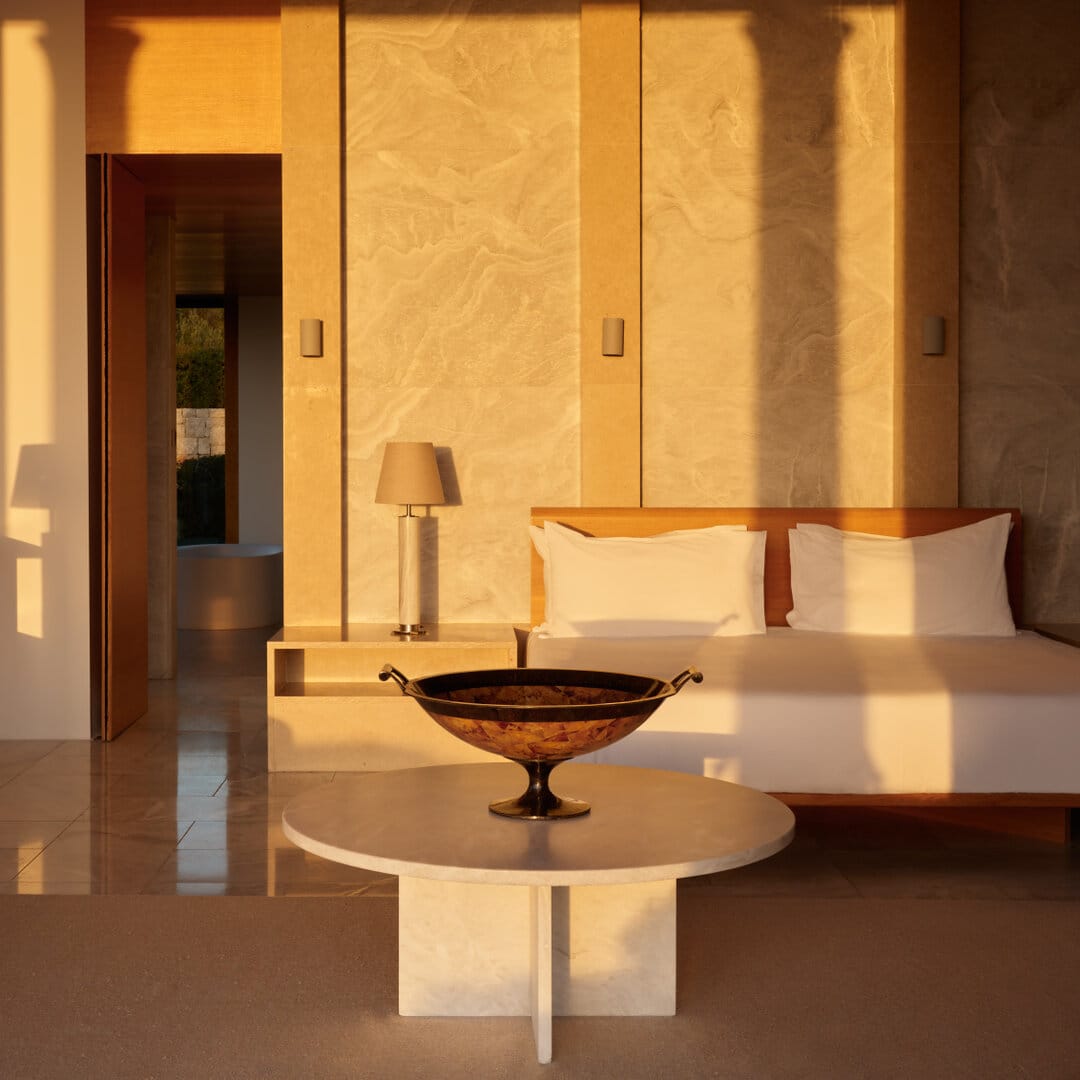
The company describes its properties as closer to gracious private homes receiving only a small number of guests. Architecture is intended to respond specifically to its setting, while privacy, service and a sense of calm are treated as fundamental parts of the brand rather than optional amenities.
That sounds simple, but simplicity is difficult to deliver. A room can be empty without feeling peaceful. Service can be discreet and still feel absent. Minimal architecture can quickly become generic.
Aman's strongest properties manage to make restraint feel deliberate.
Service you notice mainly when you need it
Part of the attraction is operational rather than visual. Aman often refers to the Japanese idea of omotenashi: hospitality based on anticipation, respect and service without obvious performance.
The best version of that service is difficult to photograph, which may explain why it creates such loyalty. A preference is remembered, an excursion adjusts without drama, something appears before a guest has to ask for it. There is less theatre around the act of being served.
For people accustomed to luxury environments, this can matter more than another marble bathroom.
Architecture as identity
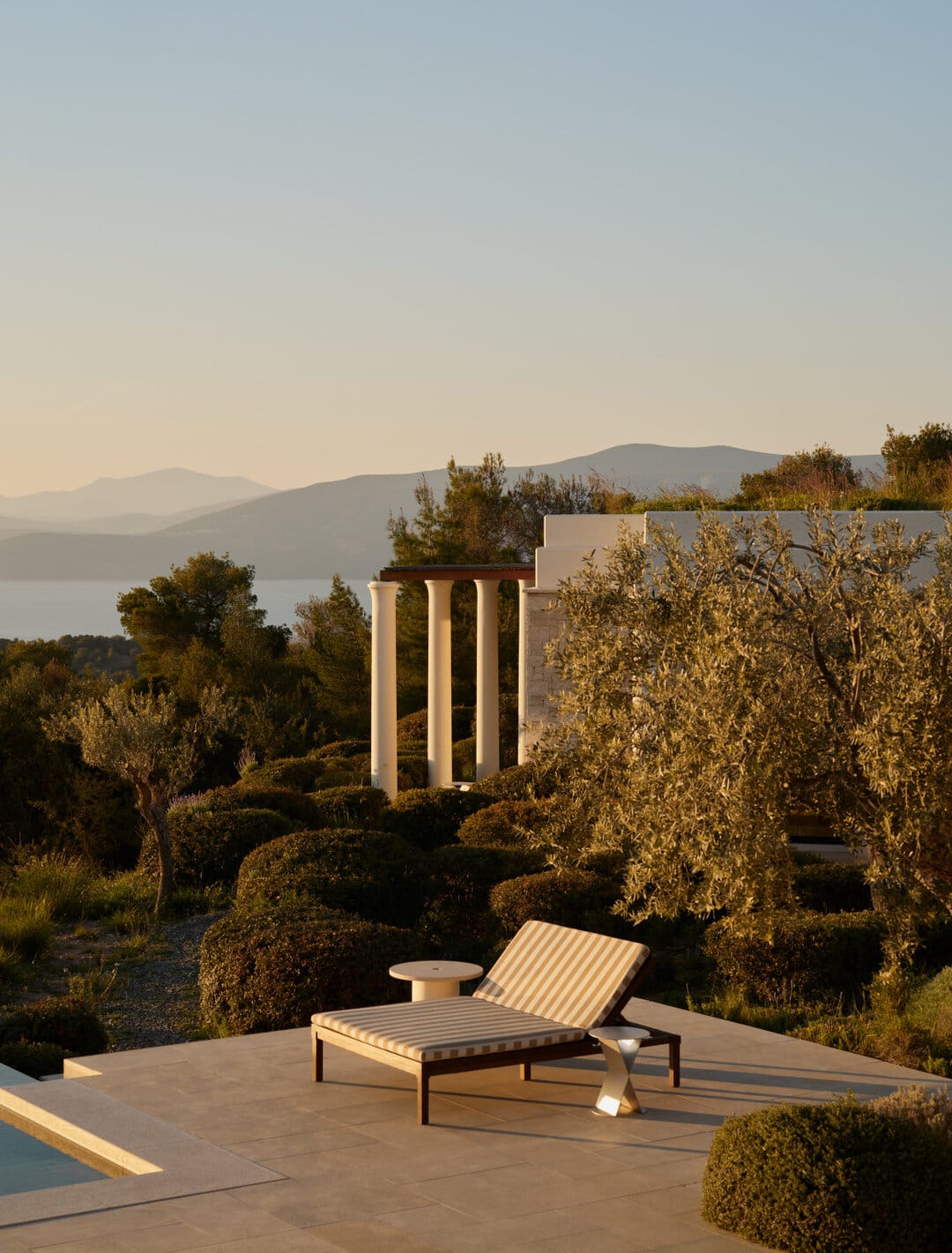
Aman has also benefited from an unusual consistency without making every hotel look the same.
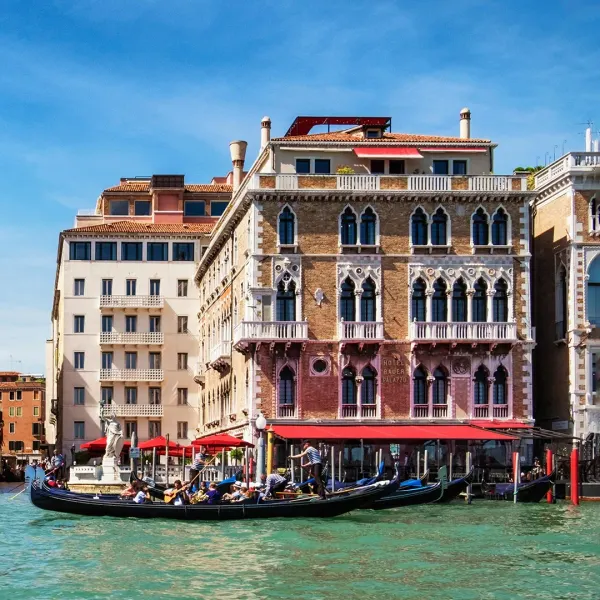
The tropical forms of Amanpuri, the monumental minimalism of Amangiri, the historic palaces of Aman Venice and the vertical urban calm of Aman Tokyo are clearly different places. Yet the relationship between architecture, landscape and privacy is recognisable across them.
That is a much harder form of brand building than repeating the same colour palette around the world.
It has also created a particular kind of guest loyalty. Travellers are not necessarily looking for identical experiences. They are looking for a familiar way of experiencing very different places.
A world rather than a hotel collection
Aman now extends beyond resorts into residences, skincare, clothing, private aviation and forthcoming voyages at sea. The group has continued expanding into cities as well as remote destinations, while maintaining privacy, service, architecture and location as its central pillars.
There is an obvious commercial logic to that expansion, but it works because the original idea was never really about hotel rooms. It was about creating a particular feeling of being removed from ordinary life.
That may be why everyone wants an Aman. Not because every property has the biggest suite or the newest restaurant, but because the brand understands something that much of luxury hospitality occasionally forgets: once comfort reaches a certain level, the things guests notice most are space, quiet, privacy and how a place makes them feel.