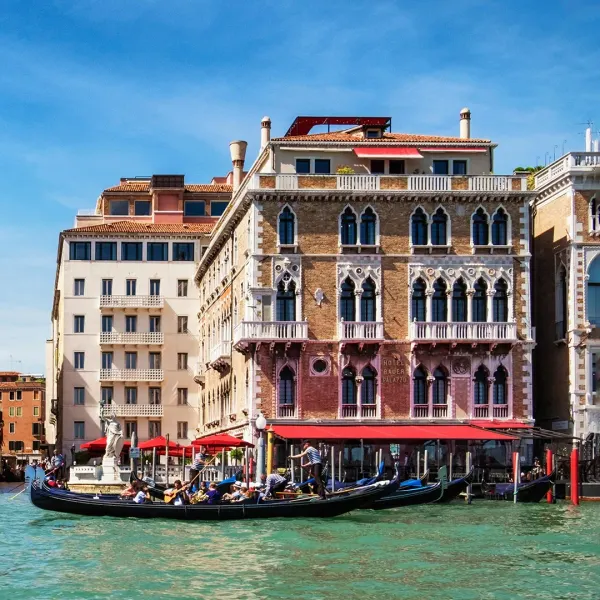
Venice has no shortage of grand hotels, but some belong to the city in a way that goes beyond hospitality. Their terraces, entrances and dining rooms become part of the choreography of the place, as familiar to returning visitors as certain bridges or campos.
The Hotel Bauer is one of them.
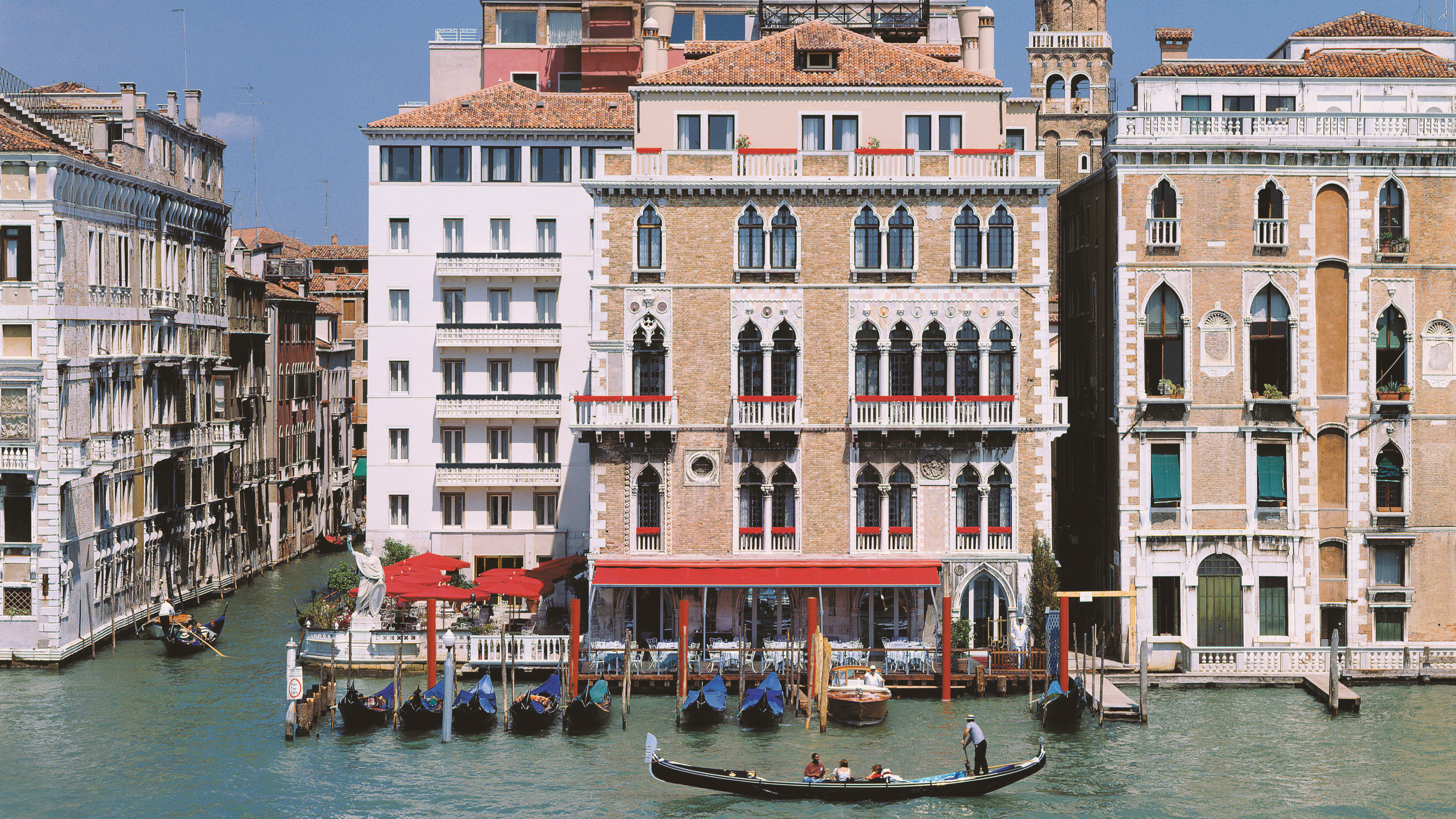
Opened in the late nineteenth century and occupying an exceptional position in San Marco between the Grand Canal and Piazza San Marco, the Bauer spent decades as one of Venice's recognisable addresses. Its next chapter will be under Rosewood, following an extensive restoration of the historic property.
Restoring rather than replacing
Rosewood announced its involvement in 2022, describing a multi-year renovation intended to preserve significant elements of the existing structure while updating the hotel for a new era. Venetian architect Alberto Torsello and BAR Studio are involved in the project, which is planned to contain just over 110 rooms, more than half of them signature suites.
There will be restaurants, a wine bar, rooftop spaces, wellness facilities and an outdoor pool. Those additions are significant, but the more interesting question is how a hotel with so much history returns without feeling either frozen in the past or rebuilt beyond recognition.
That is becoming one of luxury hospitality's most difficult design problems.
Guests increasingly want historic hotels to feel authentic, but their expectations of comfort have changed completely. Bathrooms need to work like contemporary bathrooms. Climate control must be invisible. Acoustics, lighting and technology have to meet standards that nineteenth-century buildings were never created for. The successful restoration therefore depends on making enormous changes while allowing the guest to feel that almost nothing has been disturbed.
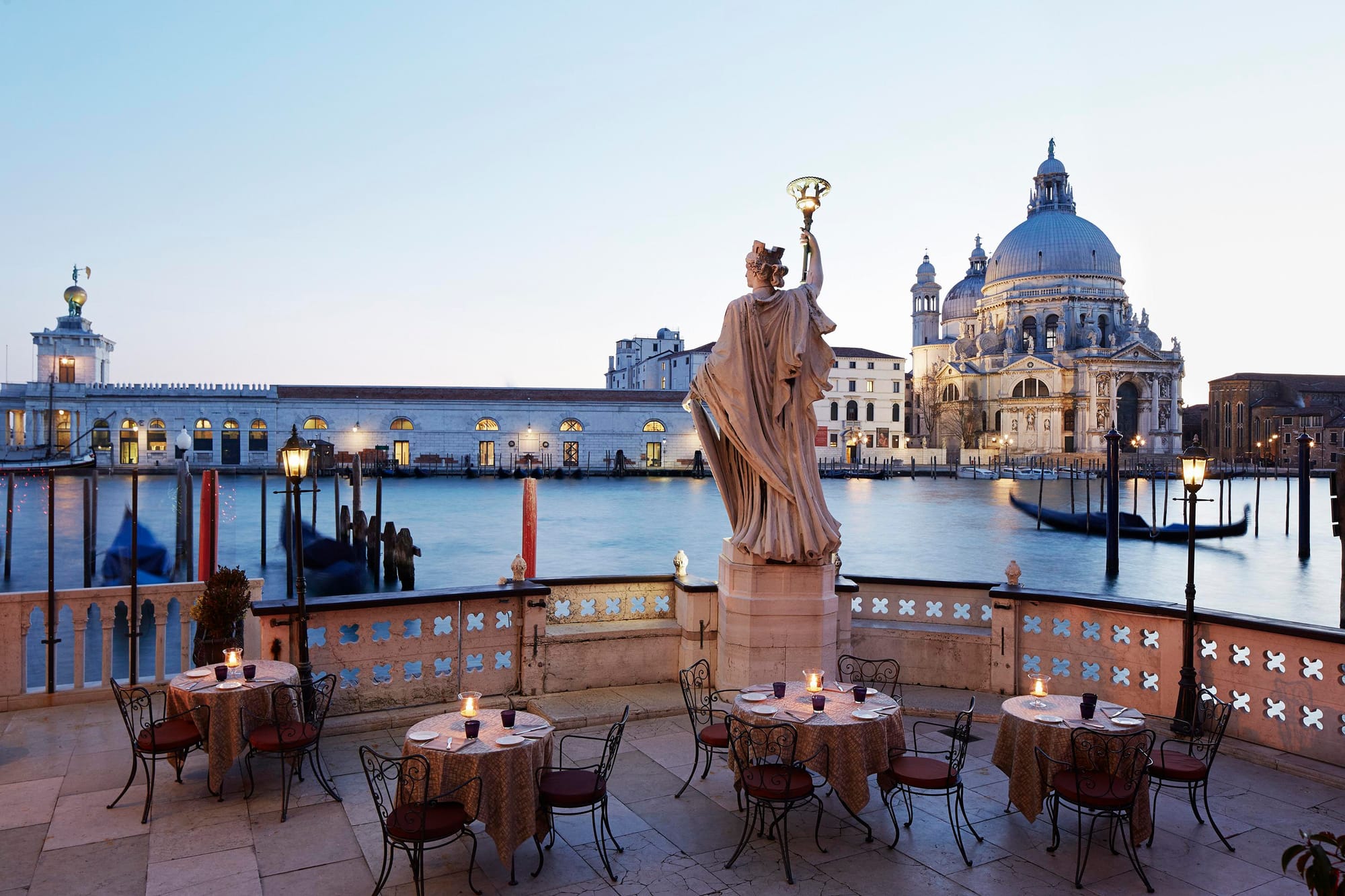
Venice does not need another generic luxury hotel
There was a period when the international luxury hotel formula travelled remarkably well. Pale stone, neutral upholstery, polished brass and a vaguely residential atmosphere could appear in Paris, Dubai or Hong Kong with only minor adjustments.
That approach makes increasingly little sense in Venice.
The city already provides an extraordinary amount of visual information. Materials age visibly. Floors are imperfect. Light changes constantly as it reflects from the canals. The most convincing Venetian hotels tend to work with that character rather than smoothing it away.
Rosewood's stated approach is to preserve much of the Bauer's historic framework and integrate it into the new design. If that balance succeeds, the building will not simply reopen as a Rosewood in Venice. It will remain recognisably the Bauer.
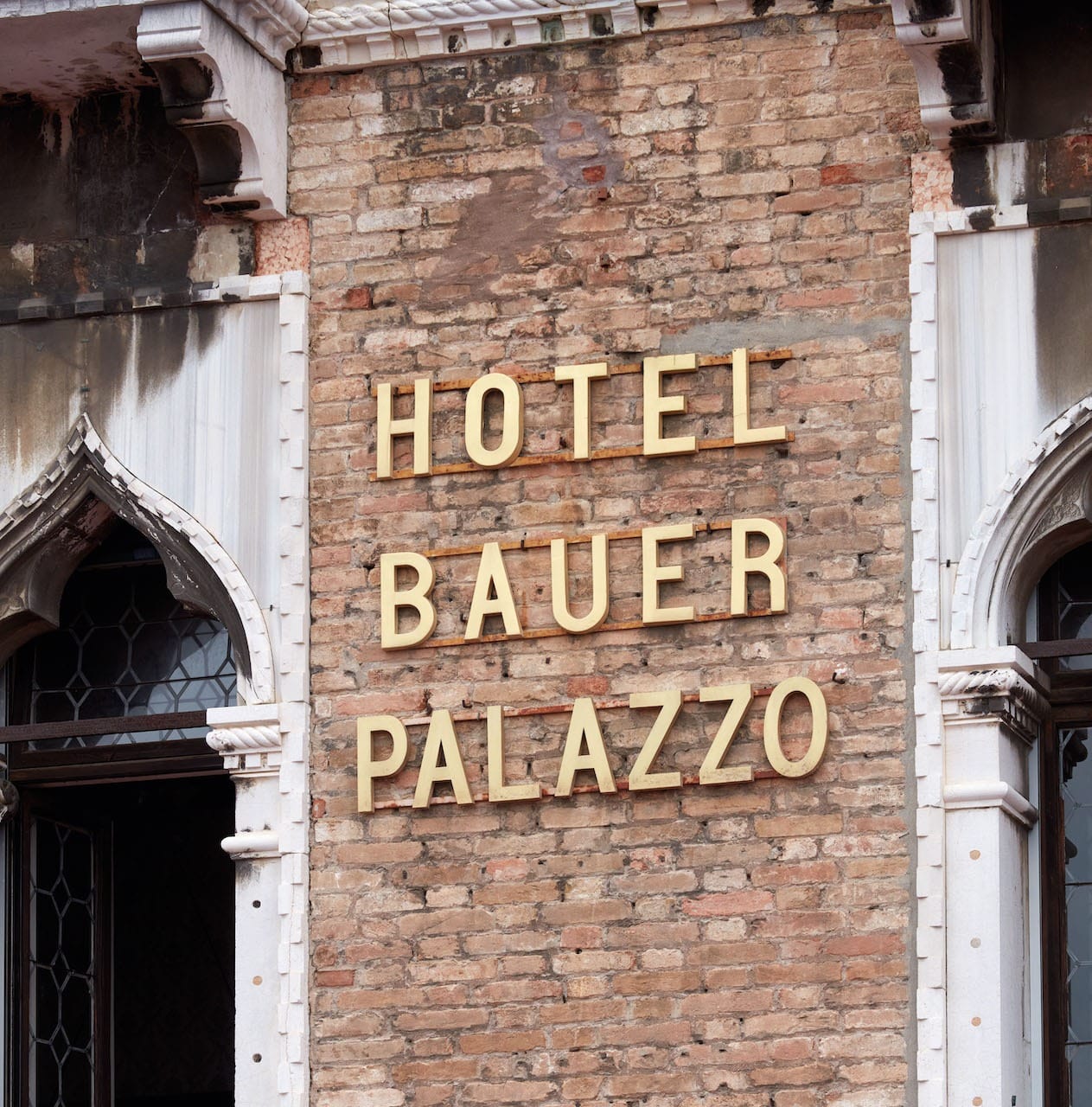
The return of the grand hotel
The revival of the Bauer also belongs to a broader movement. Across Europe, important old hotels are being restored with levels of investment once reserved for entirely new developments. There is growing recognition that history itself has become part of the luxury proposition.
A new hotel can offer flawless rooms. What it cannot manufacture immediately is memory.
Buildings such as the Bauer arrive with decades of stories already attached to them. Returning guests remember where they sat, what the terrace looked like at sunset or how the hotel connected them to the city. For a new generation, that accumulated history provides something equally valuable: a sense that the place existed long before they arrived.
As of September 2026, Rosewood still lists Hotel Bauer as a future opening rather than an operating property. That makes the return particularly interesting to watch. The most important part of the renovation will not be how new the Bauer looks when its doors reopen, but how successfully it avoids looking new at all.