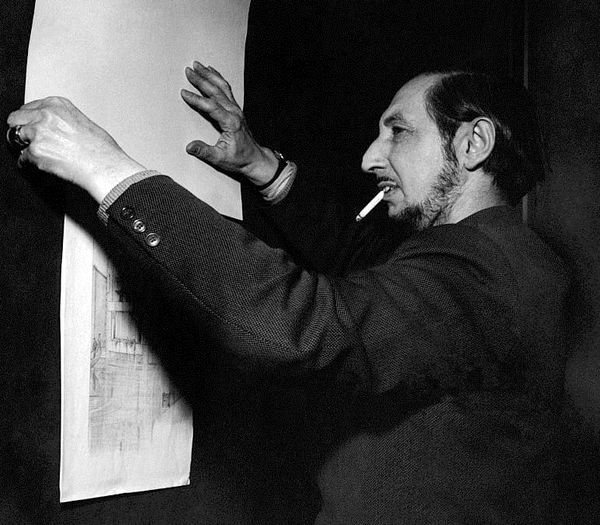
Carlo Scarpa never designed a global luxury boutique network.
Yet walk through enough contemporary stores, hotels and carefully designed houses and his influence begins to appear everywhere: precisely cut stone, layered thresholds, unusual metalwork, water used architecturally and details that feel almost absurdly considered.
Scarpa died in 1978.
Design has never quite finished with him.
[IMAGE – Carlo Scarpa detail at Querini Stampalia or Castelvecchio]
The architect of the detail
Scarpa's buildings are difficult to understand from a single photograph.
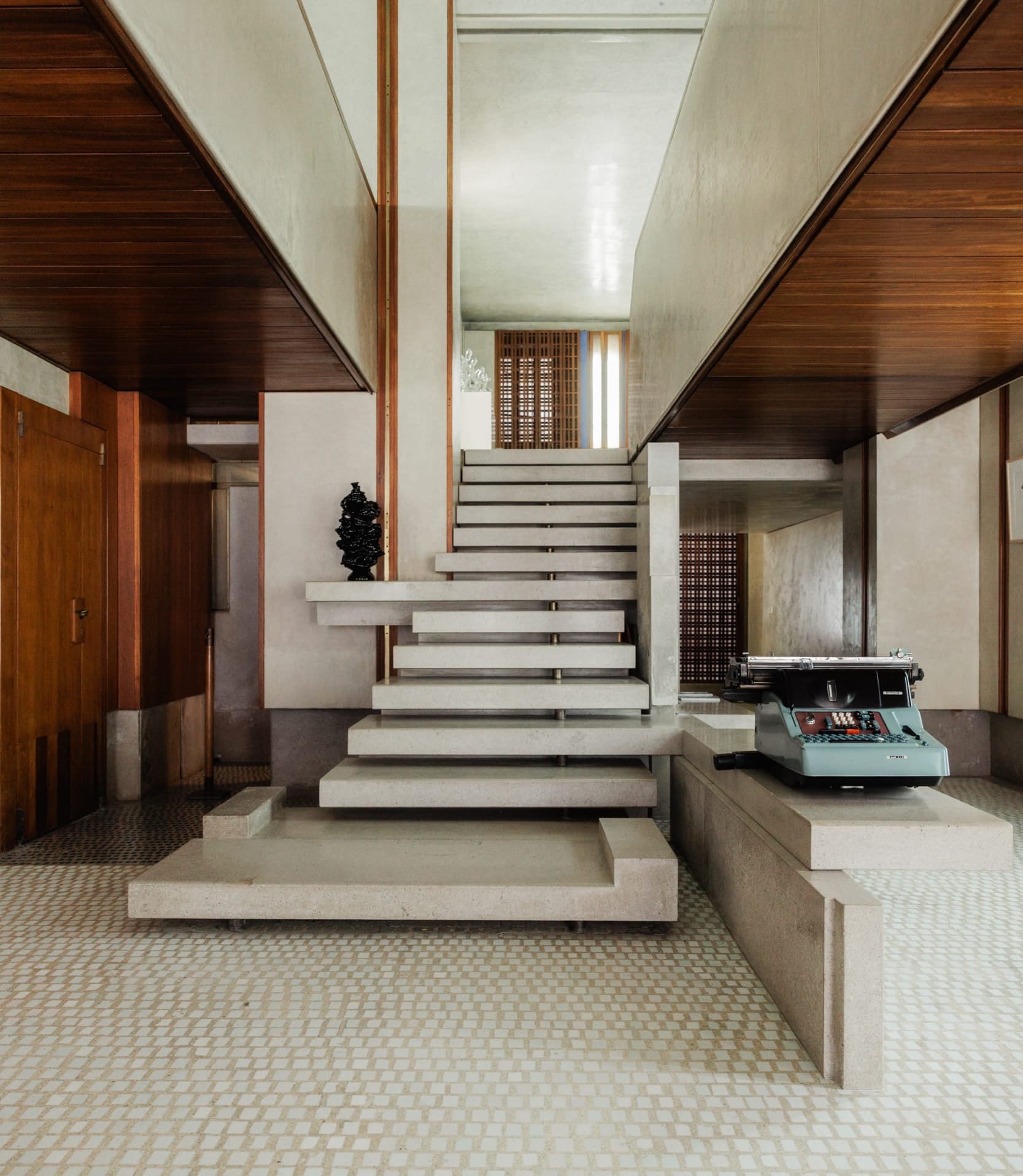
A staircase may change material halfway through. A piece of brass becomes a tiny transition between stone surfaces. Water runs alongside a path. An old wall meets a new intervention without either attempting to imitate the other.
The pleasure comes through accumulation.
That makes his work particularly relevant to luxury design, where the distinction between an ordinary material and an exceptional result often lies in how elements meet.
Scarpa understood the junction.
Old and new at the same time
His approach to historic buildings is equally influential.
Rather than restoring old architecture until the new work disappears, Scarpa often made the intervention visibly contemporary. At Castelvecchio in Verona and the Fondazione Querini Stampalia in Venice, old masonry and new elements coexist openly.
This is exactly the problem many luxury brands now face.
Heritage houses want contemporary stores that feel modern without severing their connection to the past. Hotels need to renovate historic buildings without turning them into replicas. Scarpa offers a model in which contrast can actually make history more visible.
Craft without decoration
Scarpa was fascinated by materials and by the people who worked with them.
Stone, concrete, timber, plaster, brass and glass are rarely used generically in his buildings. Each is cut, joined or finished in ways that draw attention to its physical qualities.
The result feels luxurious today even when the materials themselves are not conventionally precious.
That is an important distinction.
Luxury design is moving away from the idea that expensive materials alone create expensive spaces. Craft, proportion and originality matter more.
Scarpa's work understood that decades ago.
Why he keeps returning
Certain architects become references because their work provides a recognisable aesthetic. Scarpa is more difficult to copy.
Borrow the concrete, brass and geometric detailing without understanding the logic and the result quickly becomes theatrical.
His real influence lies in attention: the belief that a door handle, floor joint or window reveal deserves the same intellectual energy as the building's overall shape.
That attitude has become increasingly attractive to luxury brands attempting to make physical spaces matter in an era dominated by digital shopping.
Scarpa reminds them that architecture can slow people down.
Sometimes all it takes is a beautifully designed step.