Why Italian Modernism Never Goes Away

– 2 min read


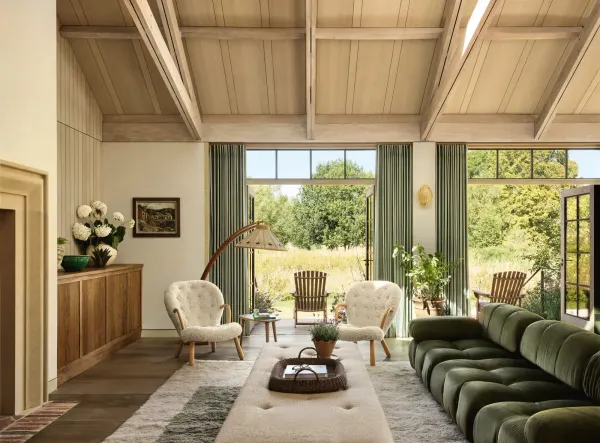
Italian modernism has been declared rediscovered so many times that it may be more accurate to say it never disappeared.
Gio Ponti, Franco Albini, Luigi Caccia Dominioni, BBPR, Carlo Scarpa and later figures such as Gae Aulenti continue to re-enter contemporary interiors through auctions, reissues, hotel projects and the mood boards of designers decades younger than their original clients.
The attraction is remarkably persistent.
One reason is that Italian modernism rarely accepted the false choice between function and pleasure.
A chair could be rational and elegant. An apartment could be architecturally rigorous while containing velvet, marble, lacquer and antiques. Industrial production could coexist with extraordinary craft.
This flexibility distinguished much Italian design from stricter interpretations of international modernism.
The room did not need to look like a machine simply because it belonged to the modern age.
Perhaps nowhere is that clearer than in the mythology of the Milanese interior.
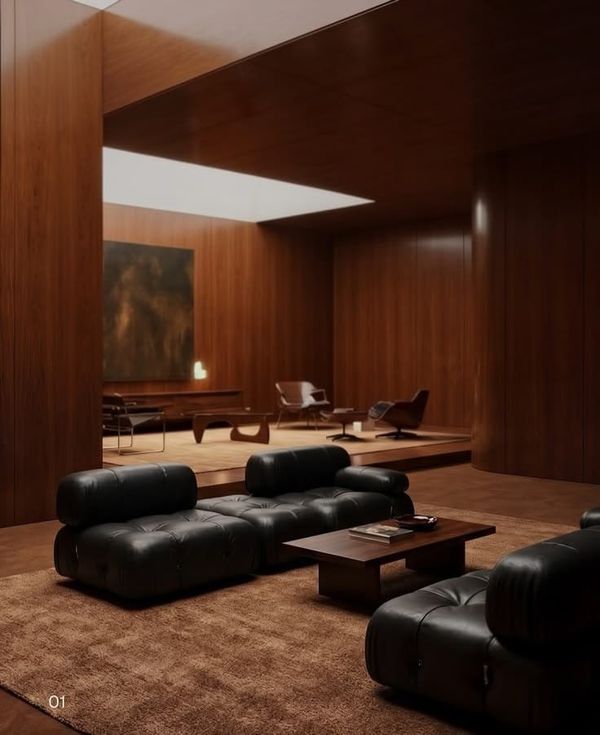
Dark timber, polished stone, highly specific furniture, strange colour combinations and art create rooms that feel collected rather than decorated. Architecture provides order, but personality is allowed to remain visible.
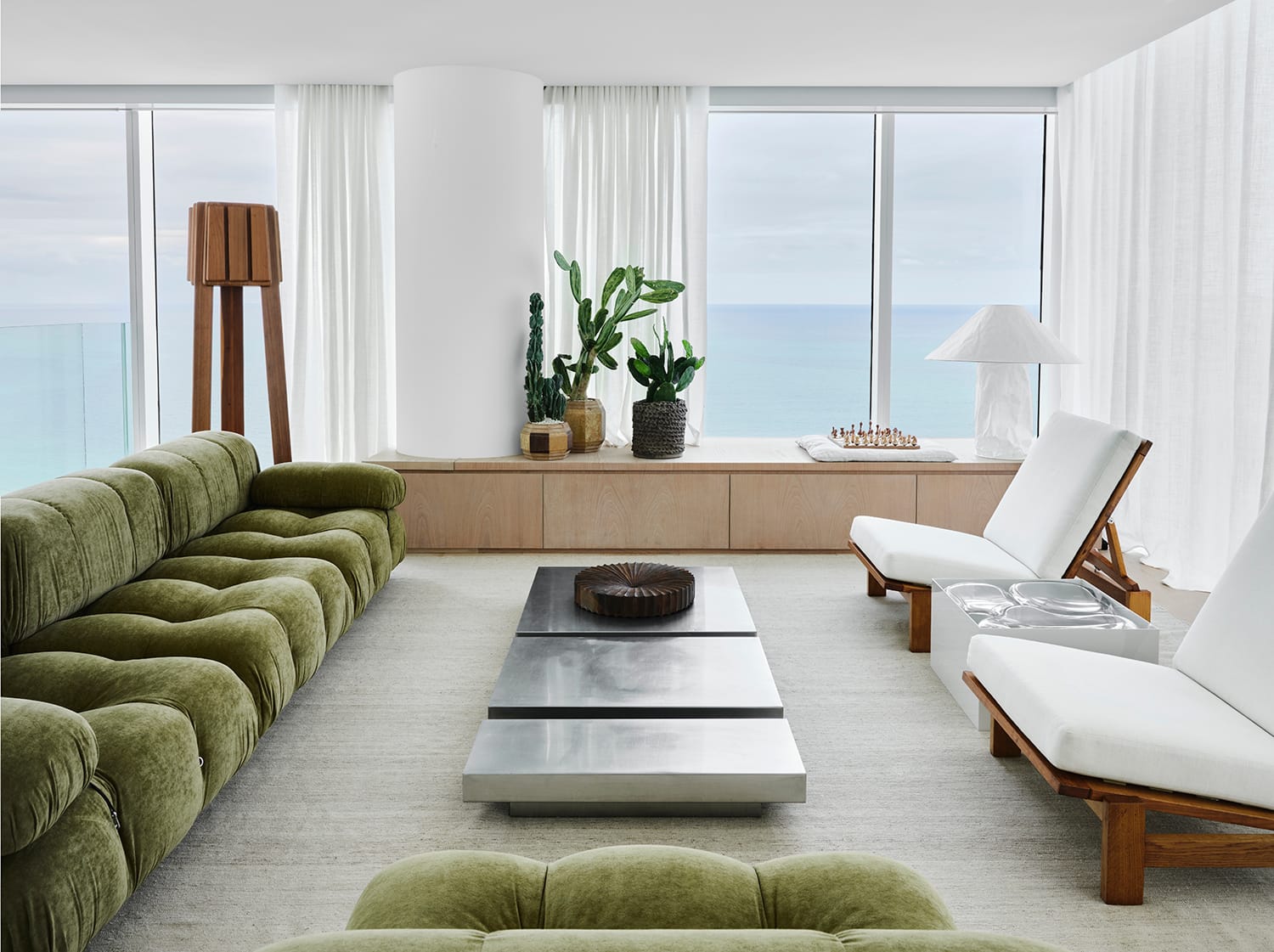
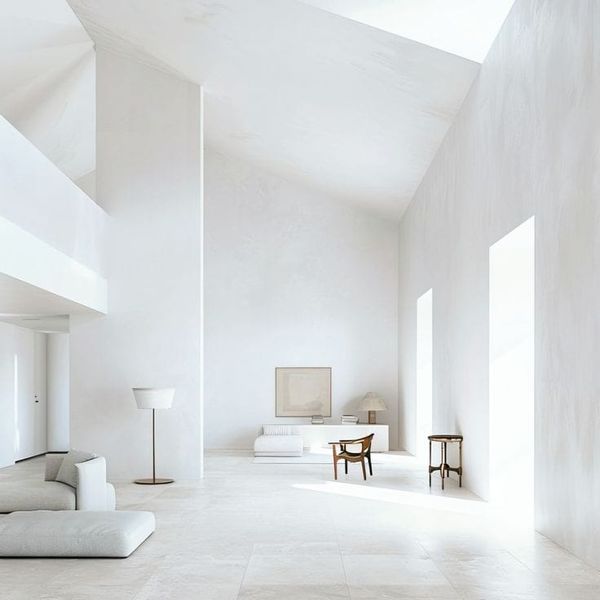
That model feels particularly relevant today as interiors move away from generic pale minimalism.
A seventy-year-old Italian apartment can look surprisingly contemporary because it contains many of the qualities designers are seeking again: warmth, material depth, built-in furniture and a confident mixture of periods.
Italian modernism also produced an unusual number of objects that refuse to age.
Lighting by Flos and Artemide, furniture by Cassina and B&B Italia and designs associated with figures such as Ponti, Castiglioni and Magistretti continue to exist in current production or regular reissue.
Their longevity is not simply the result of branding.
The strongest pieces are distinctive without depending heavily on the trends of the decade in which they were created.
That is a rare achievement.
There is another, less tangible reason.
Italian design has often understood the home as a stage for living rather than merely an architectural composition. Chairs are for conversation. Lighting creates atmosphere. Dining tables matter. Materials become better as they age.
This may be why Italian modernism remains so useful to luxury today.
It offers sophistication without sterility.
Each generation thinks it is rediscovering these interiors because each generation eventually tires of whatever came after them.
Then someone opens an archive, sees a Milan apartment from 1958 and wonders why it looks better than almost everything being built now.