
For years, the safest expensive interior was pale.
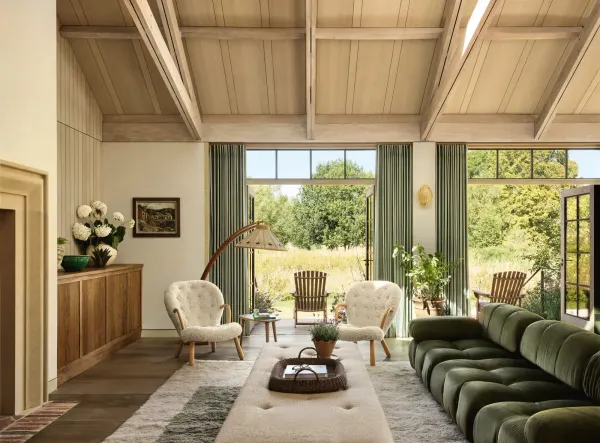
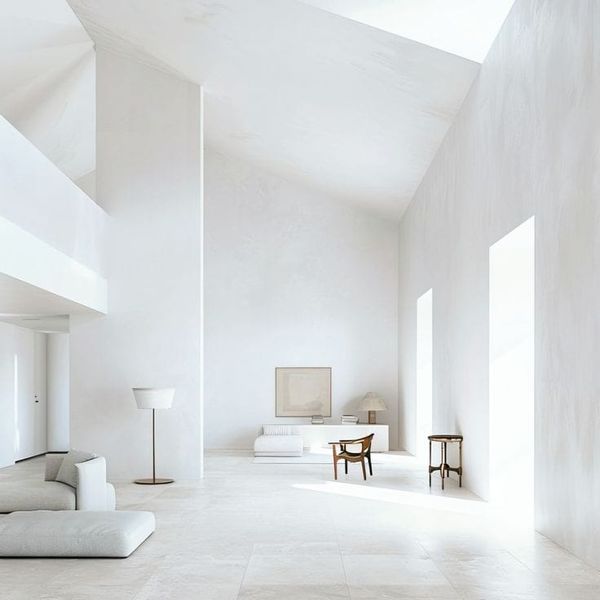
White oak floors, cream upholstery, travertine tables and light timber cabinetry created spaces that photographed beautifully and made almost every room feel larger.
Now the grain is getting darker.
Why pale wood became everywhere
Light timber made perfect sense for the previous decade.
It supported Scandinavian minimalism, softened contemporary architecture and worked naturally with the warm neutral palette that came to dominate hospitality and residential design.
The problem with any successful aesthetic is repetition.
Once pale oak appeared in apartments, restaurants, boutiques, hotels and furniture collections everywhere, it stopped communicating much about the individual space.
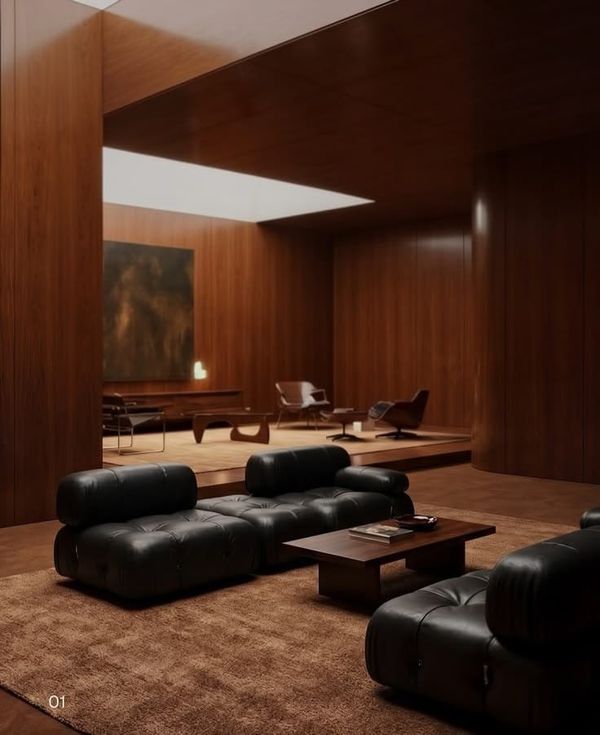
Dark wood offers contrast.
Walnut, mahogany, cherry and smoked oak bring visual weight that light timber deliberately avoids. Architectural Digest identified this as a major shift through 2025, with designers moving toward richer woods as part of a wider return to warmer interiors.
Rooms are becoming rooms again
Dark timber also changes how a space feels.
A pale room tends to expand visually. Dark wood can do the opposite, defining edges and making an interior feel enclosed.
That sounds undesirable until enclosure itself becomes the objective.
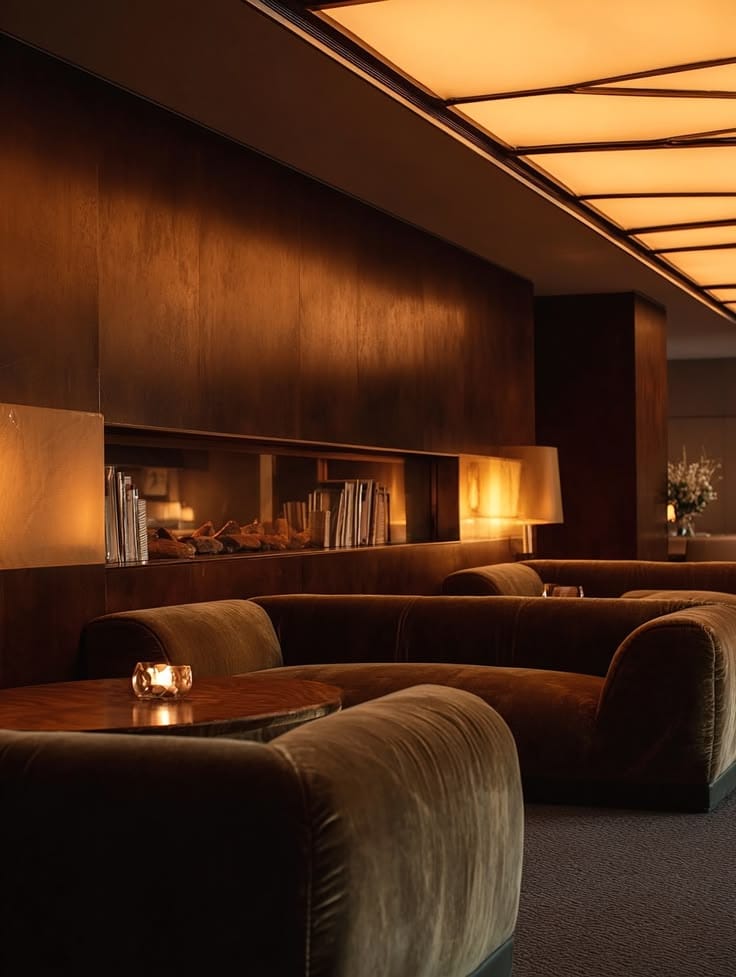
After years of open-plan living and bright multipurpose spaces, designers are rediscovering rooms with distinct identities: libraries, dining rooms, studies and bars where atmosphere matters more than apparent size.
Dark wood is particularly good at creating that sense of containment.
History without reproduction
There is also an unavoidable association with older interiors.
Mahogany and walnut recall clubs, ocean liners, mid-century offices and European apartments. Yet the new use of dark timber rarely reproduces those spaces literally.
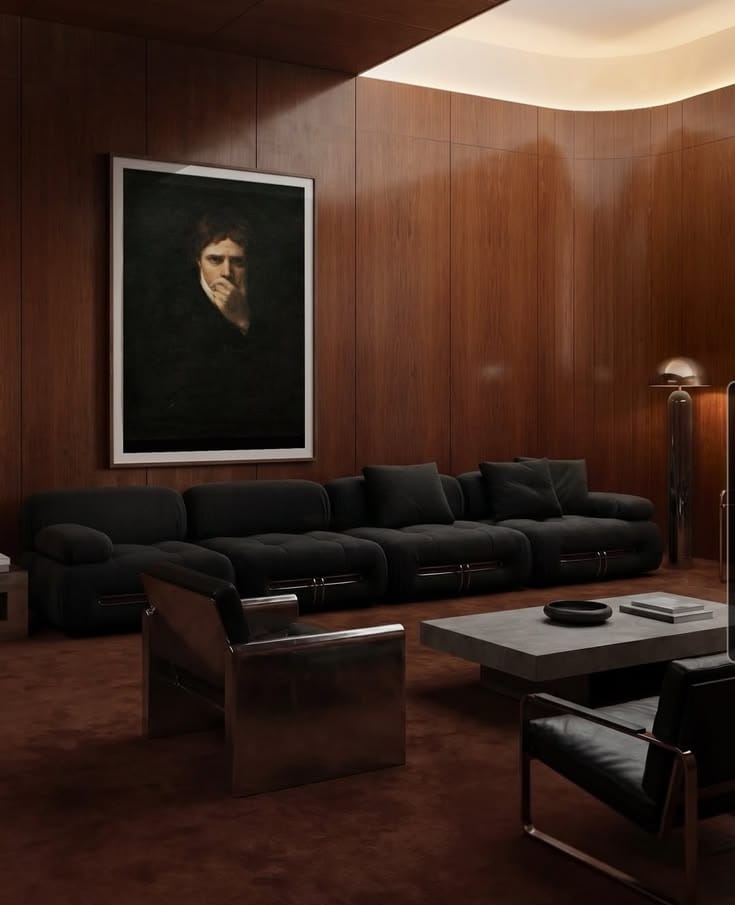
The material appears with contemporary furniture, stainless steel, rough plaster and modern lighting.
That tension keeps it from becoming nostalgic.
The room can acknowledge history without pretending to belong to another century.
Warmth is replacing blankness
The return of dark wood belongs to a broader rejection of interiors that feel excessively finished but emotionally empty.
People increasingly want materials that age, surfaces with depth and rooms that change depending on the time of day.
Dark timber performs particularly well under low evening light. Grain appears differently. Colours deepen. Spaces become more intimate.
The pale oak interior never disappeared, nor should it.
But after a decade in which luxury often meant making every space brighter, the pendulum has moved.
Sometimes a room becomes more interesting when the lights go down.