White walls are not going anywhere.
What is disappearing is something more specific: the idea that an expensive interior becomes sophisticated simply by removing enough things from it.
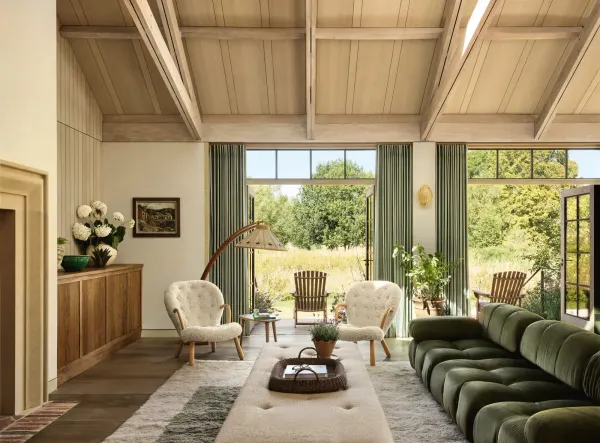
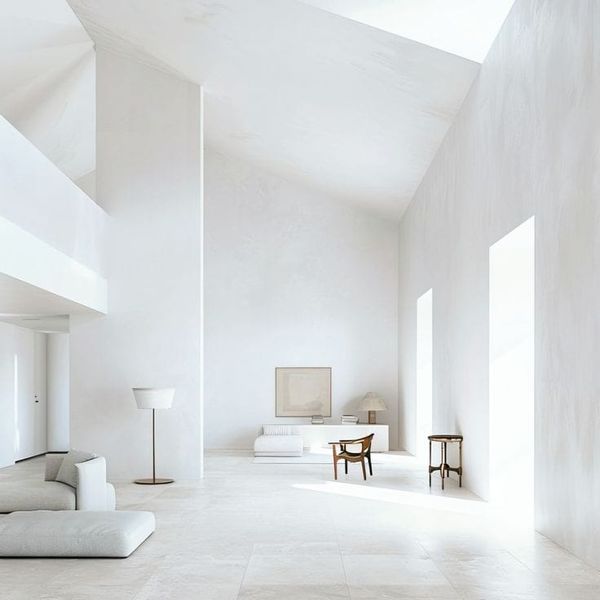
For years, the white minimalist room dominated architecture feeds, new apartments and luxury hotels. Pale floors, curved cream furniture, one sculptural lamp and perhaps a single olive tree became a visual shorthand for taste.
It worked beautifully.
Then everybody did it.
When calm becomes generic
Minimalism solves many problems.
It creates visual order, photographs cleanly and allows architecture to take precedence over furniture. In chaotic environments, that restraint can feel genuinely restorative.
The difficulty begins when minimalism becomes a formula rather than a philosophy.
Rooms start to lose evidence of the people who live in them. Materials become interchangeable. A new apartment in Zurich can look remarkably similar to a villa in Los Angeles or a hotel in Ibiza.
The absence of clutter gradually becomes an absence of specificity.
Character is returning
Recent interiors are moving in another direction.
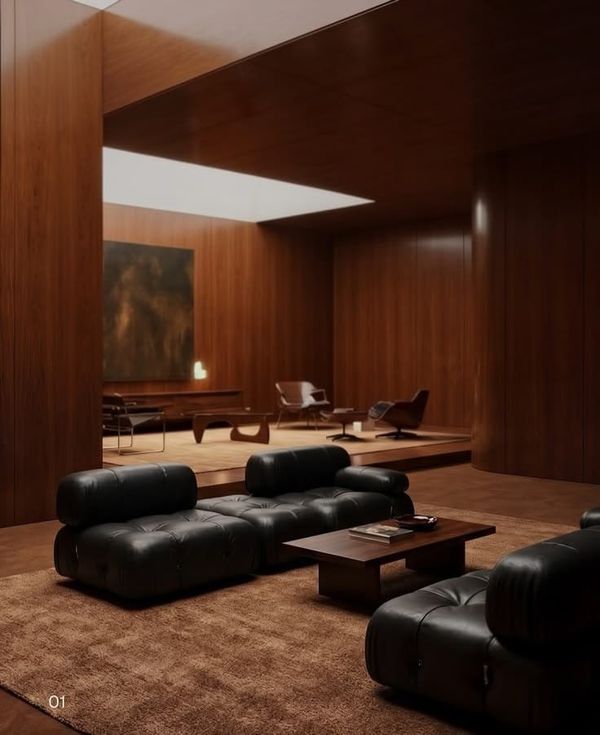
Designers are preserving original architectural details, mixing antiques with contemporary pieces, using deeper colours and embracing materials that carry visible history. Architectural Digest's recent trend reporting has highlighted renewed attention to vintage furniture, dark woods and the preservation of existing character rather than stripping old buildings into generic modern shells.
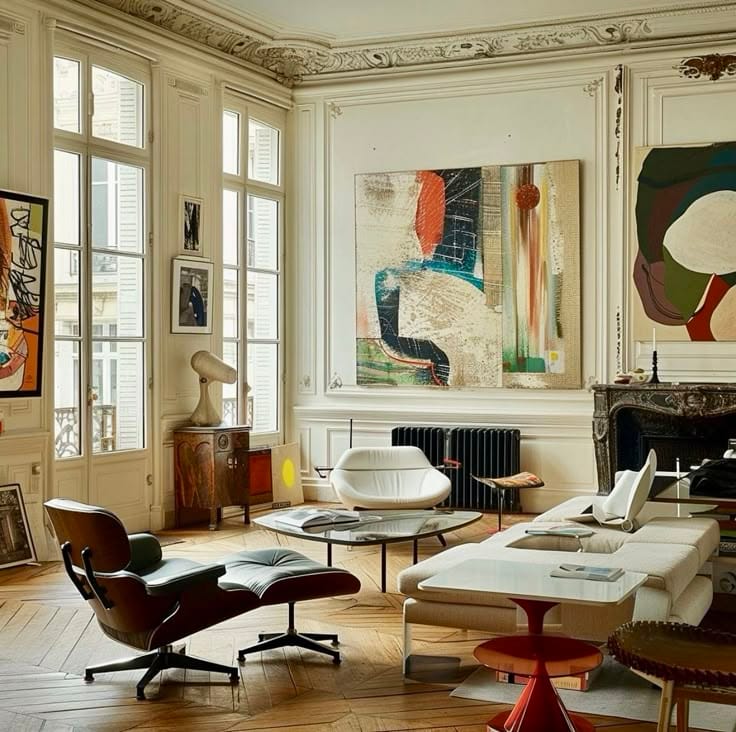
This does not necessarily mean maximalism.
The strongest rooms may still contain relatively few objects. The difference is that those objects have stronger identities.
A chair can look old. Art can be difficult. Wood can be dark. Books do not have to match the upholstery.
The room becomes personal again.
Imperfection is beginning to feel expensive
Contemporary construction can make almost everything flawless.
Floors arrive perfectly even. Stone can be book-matched across an entire bathroom. Lighting systems can remove every shadow.
Against that precision, age becomes interesting.
A worn table, irregular plaster wall or antique cabinet carries information that cannot be specified from a catalogue. Its imperfections prove that the object existed before the room was designed around it.
This is increasingly attractive in luxury spaces because uniqueness has become more valuable than perfection.
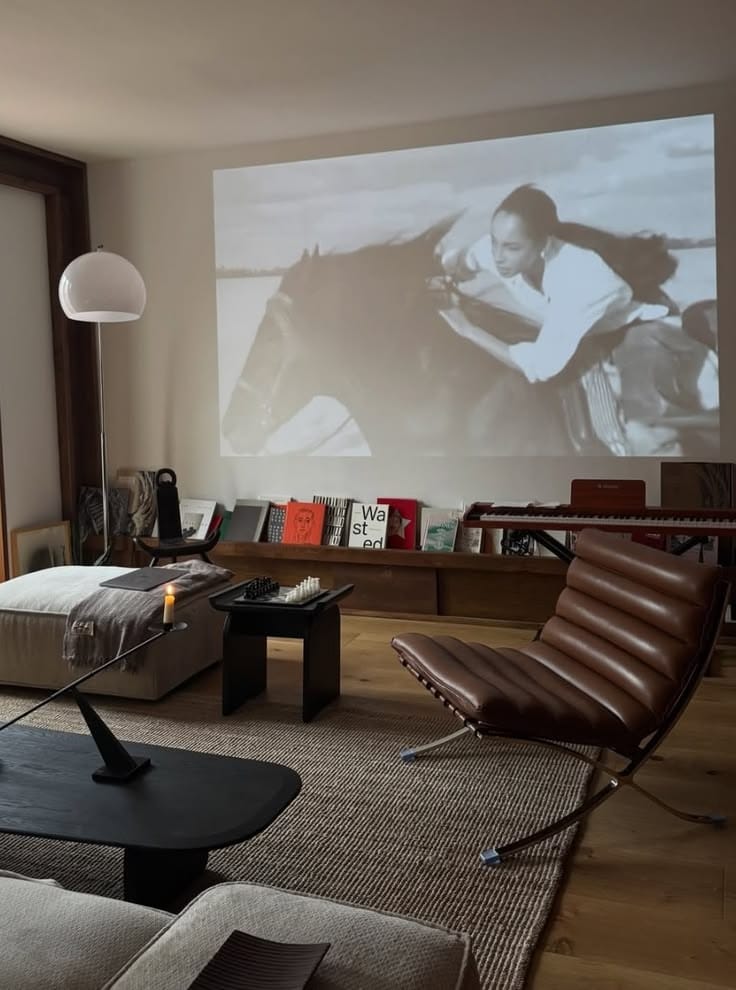
Minimalism is not dead. Generic minimalism is.
The most thoughtful minimalist interiors will survive because reduction can still produce extraordinary architecture.
What feels exhausted is the copy.
White walls, pale oak and boucle furniture no longer guarantee sophistication because they no longer require a point of view.
The next phase of luxury interiors is likely to remain edited, but it will be warmer, stranger and more specific.
A beautiful room does not need more things.
It needs more reasons for the things that are there.